Pi2PRO | Umbrello
A Brief History Of Time. This is how we got here, folks.
I. The Accident
The Business I Didn't Really Plan to Build
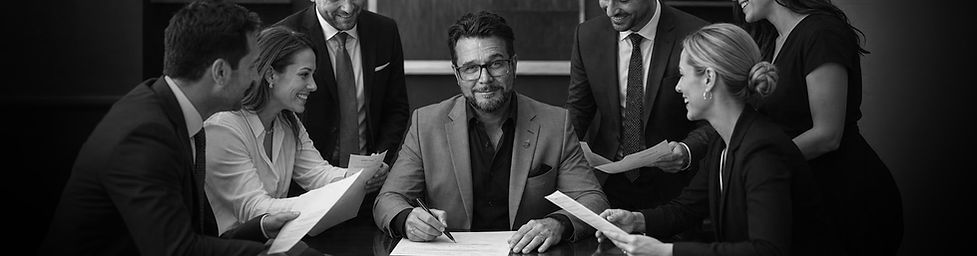
Pi2PRO wasn't some brilliant entrepreneurial master plan. There was no five-year strategy, carefully crafted business model, or inspirational moment where I decided I was going to become a Creative Director, Brand Strategist, Web Designer, Marketing Consultant, Business Planner, or whatever other “title” I've accumulated over the years. It started because I got laid off. After eight years at Revelation Outdoor, the company laid everyone off. On my last day, four months after buying a new house, the owner came into my office with a problem: he still had a business to run, and he couldn't keep things moving without me. So I offered to keep doing the work as a freelancer. I'd never owned a business before. I had no idea what I was doing. But I knew I could do the work, he needed it done, and I needed a way to keep the lights on. So I researched and wrote my first contract from scratch, figured out what to charge and how to structure the arrangement, brought it downstairs two hours later, and made damn sure he signed it that day. He did. And just like that, Pi2PRO was in business. I just didn't know yet what kind of business it was going to become.

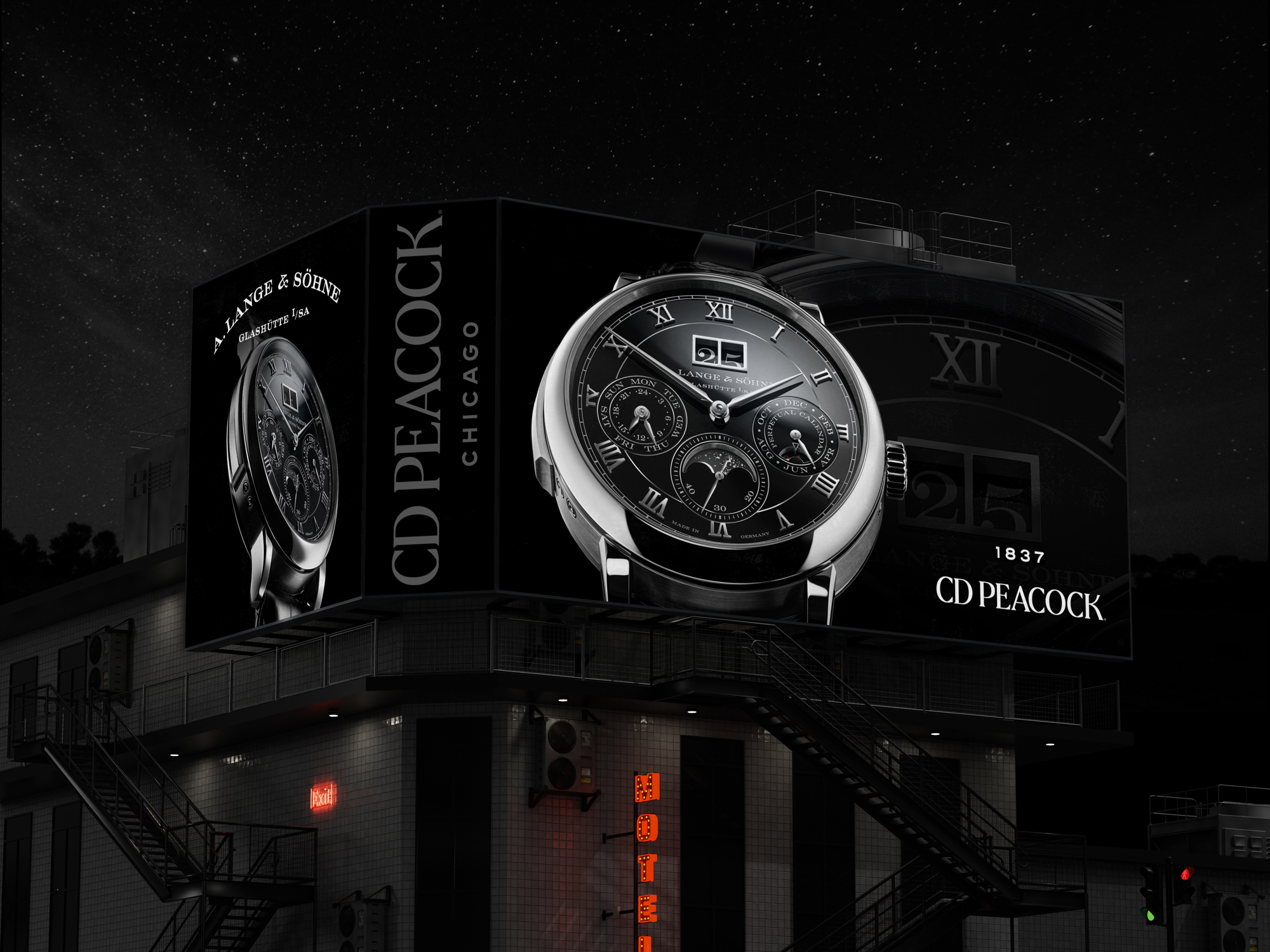
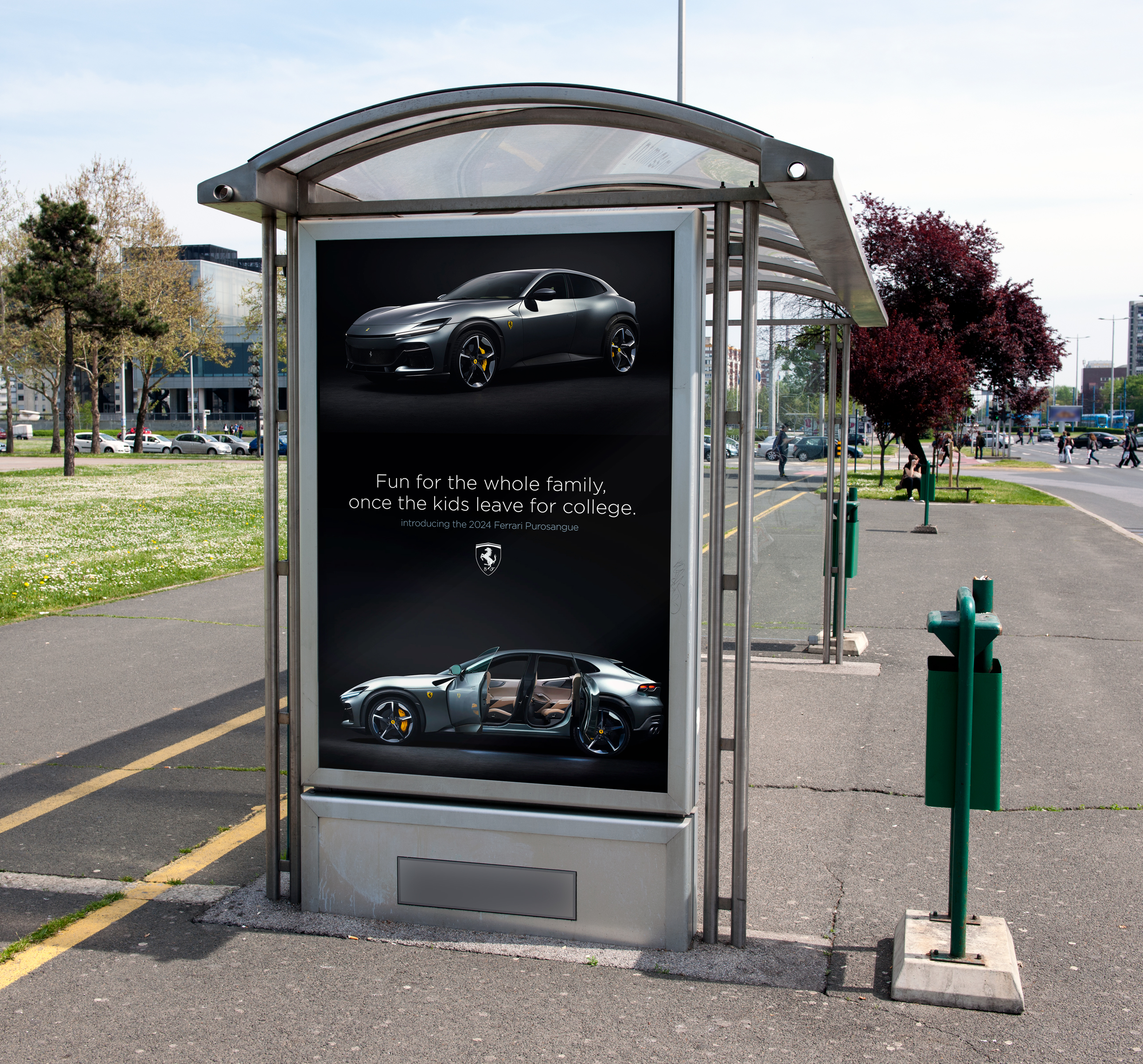
Yeah, I know it looks like yet ANOTHER billboard. But I'm trying to tell a story here. Stick with me.
The Evolution
At first, Pi2PRO was freelance creative work: design, advertising, outdoor, print, and branding. Then clients started asking for websites, social media, strategy, business plans, and things that weren't exactly on the original menu. Apparently, I could do those things, too. At least, that's what I told them. I knew I could figure it out. I'm really good at that. Over the years, Pi2PRO evolved from a creative service into something much harder to put into a job description: a combination of creative direction, brand development, marketing, business strategy, problem-solving, and whatever else the project demanded. Basically, I never ask, “Is that my job?” I just start selling the idea that we WILL get it done.


In The Beginning...
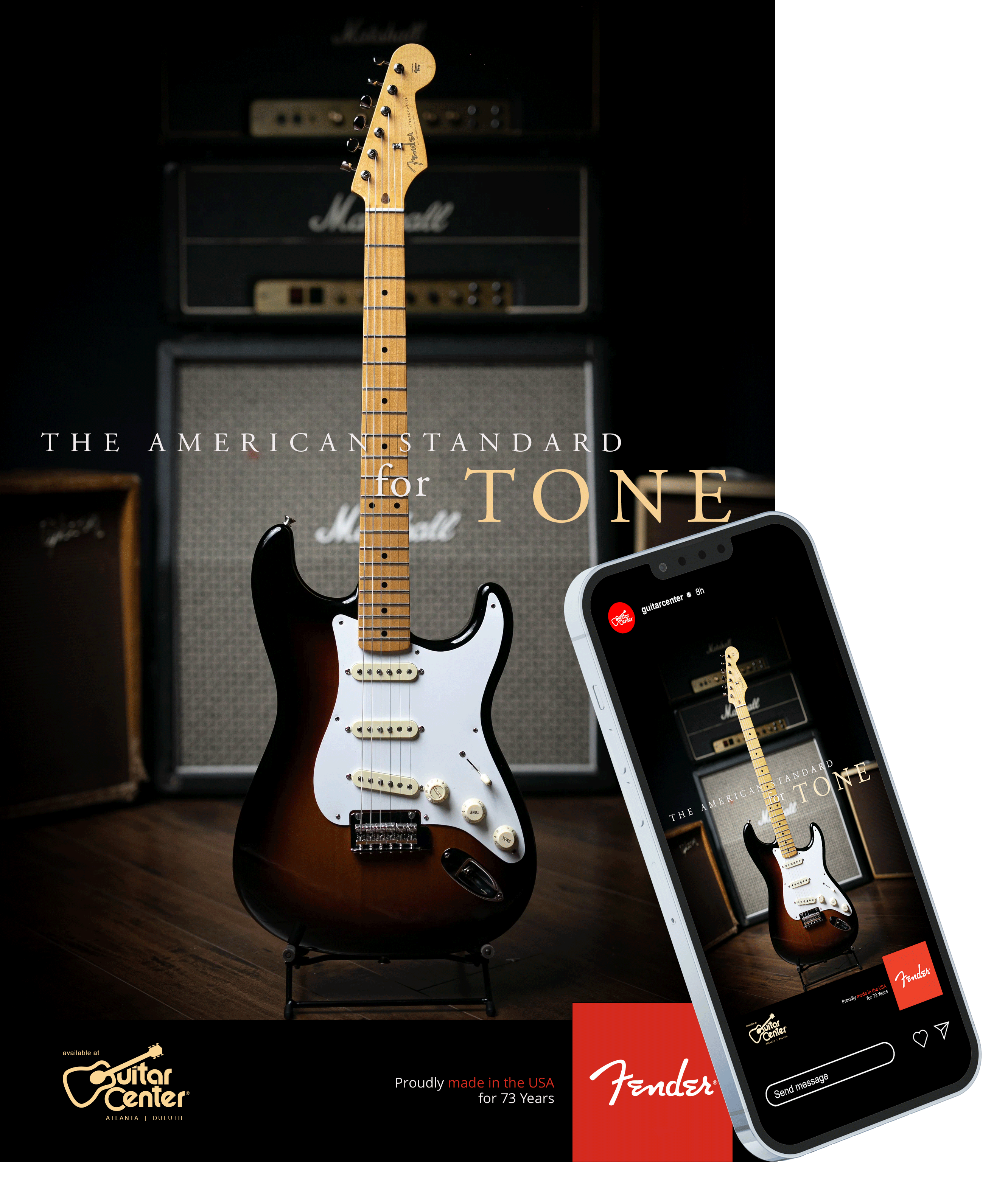
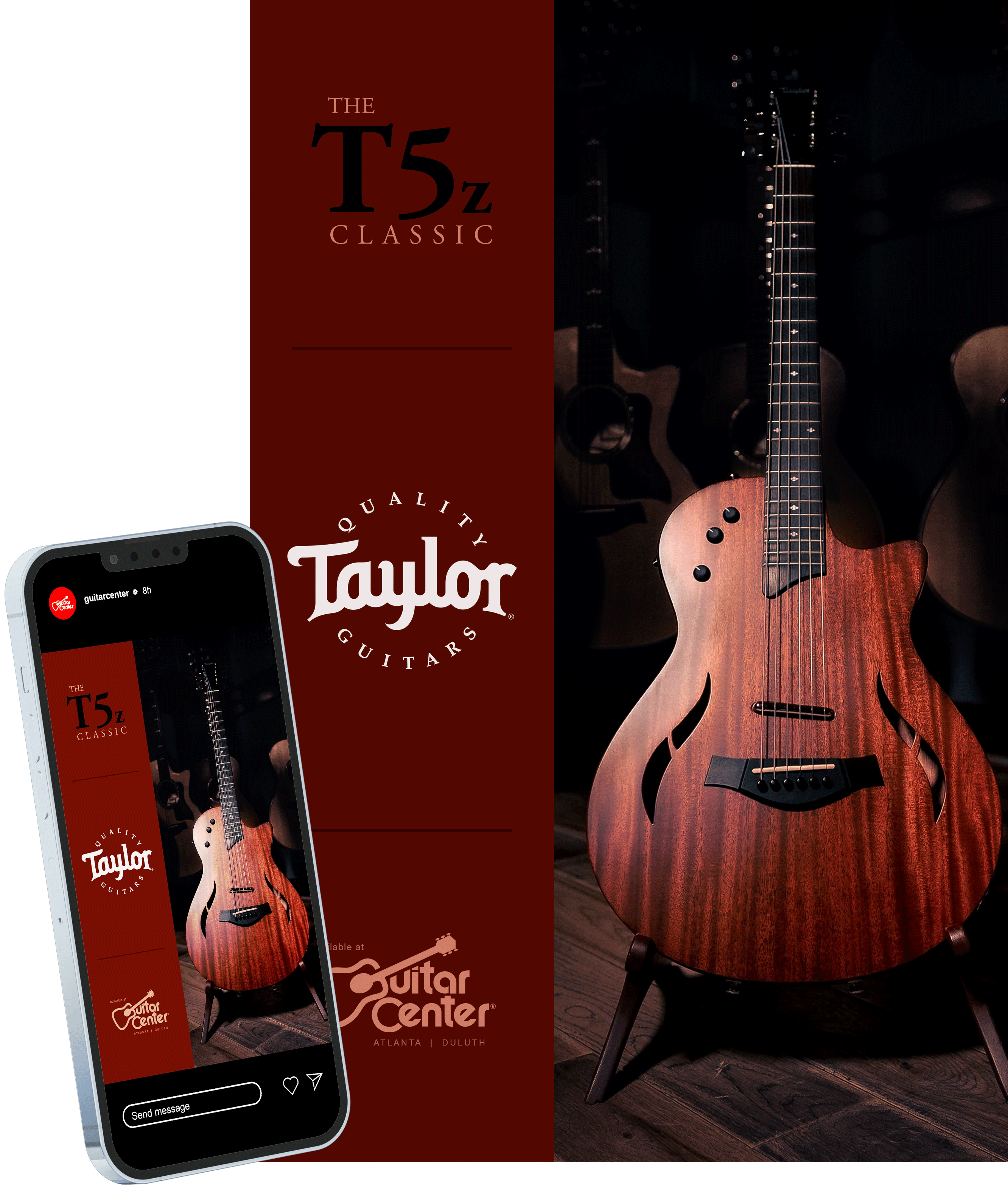
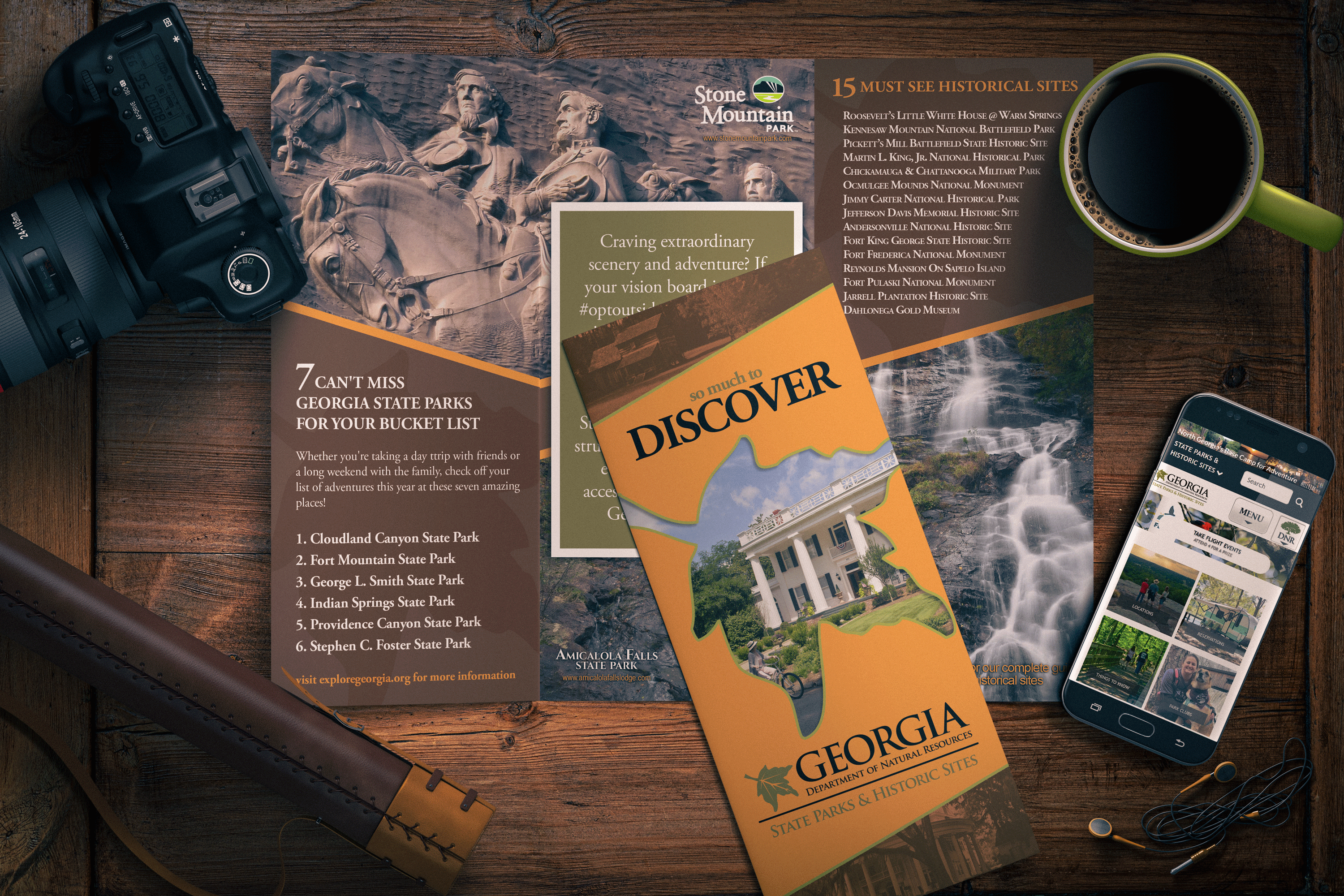
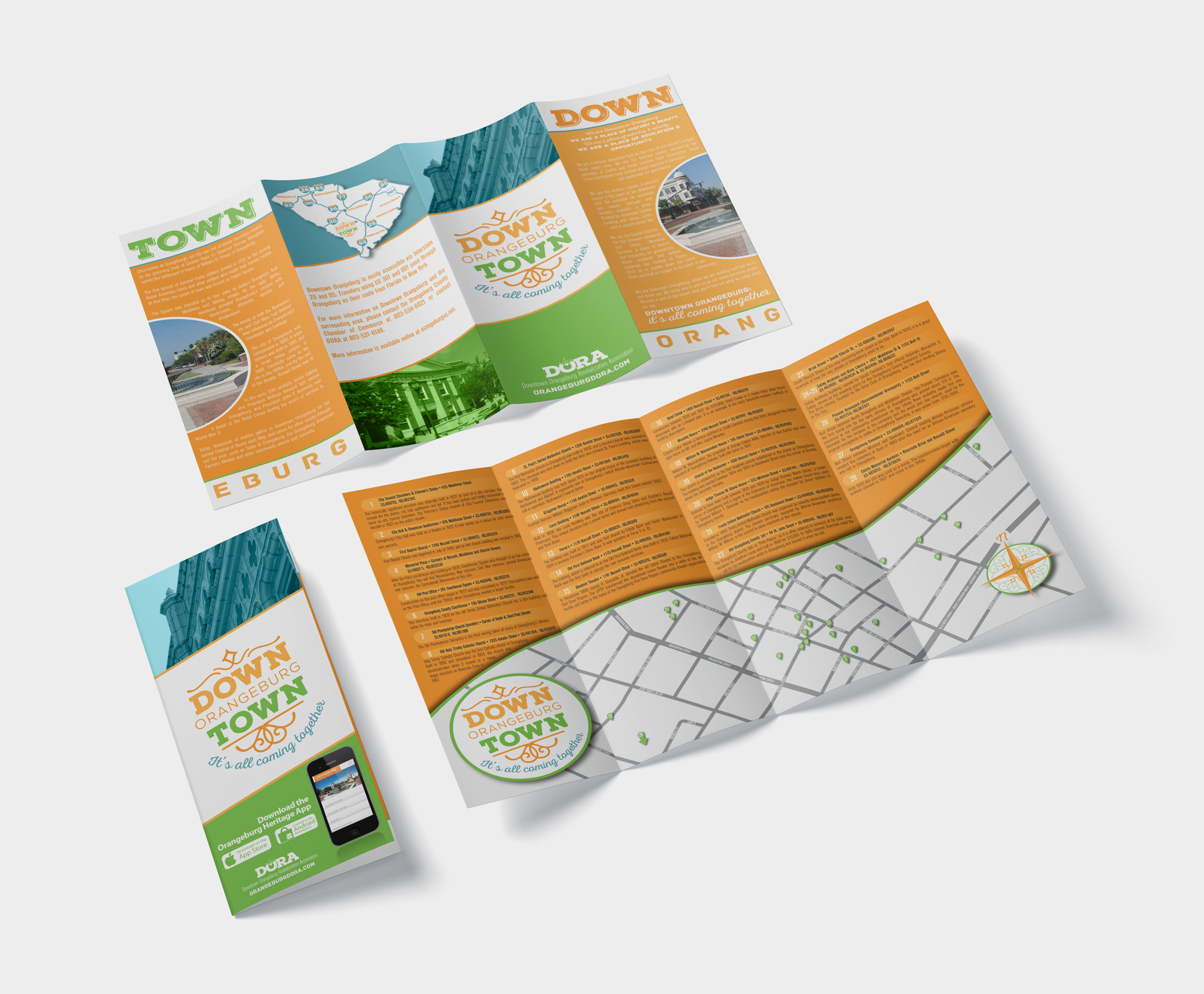
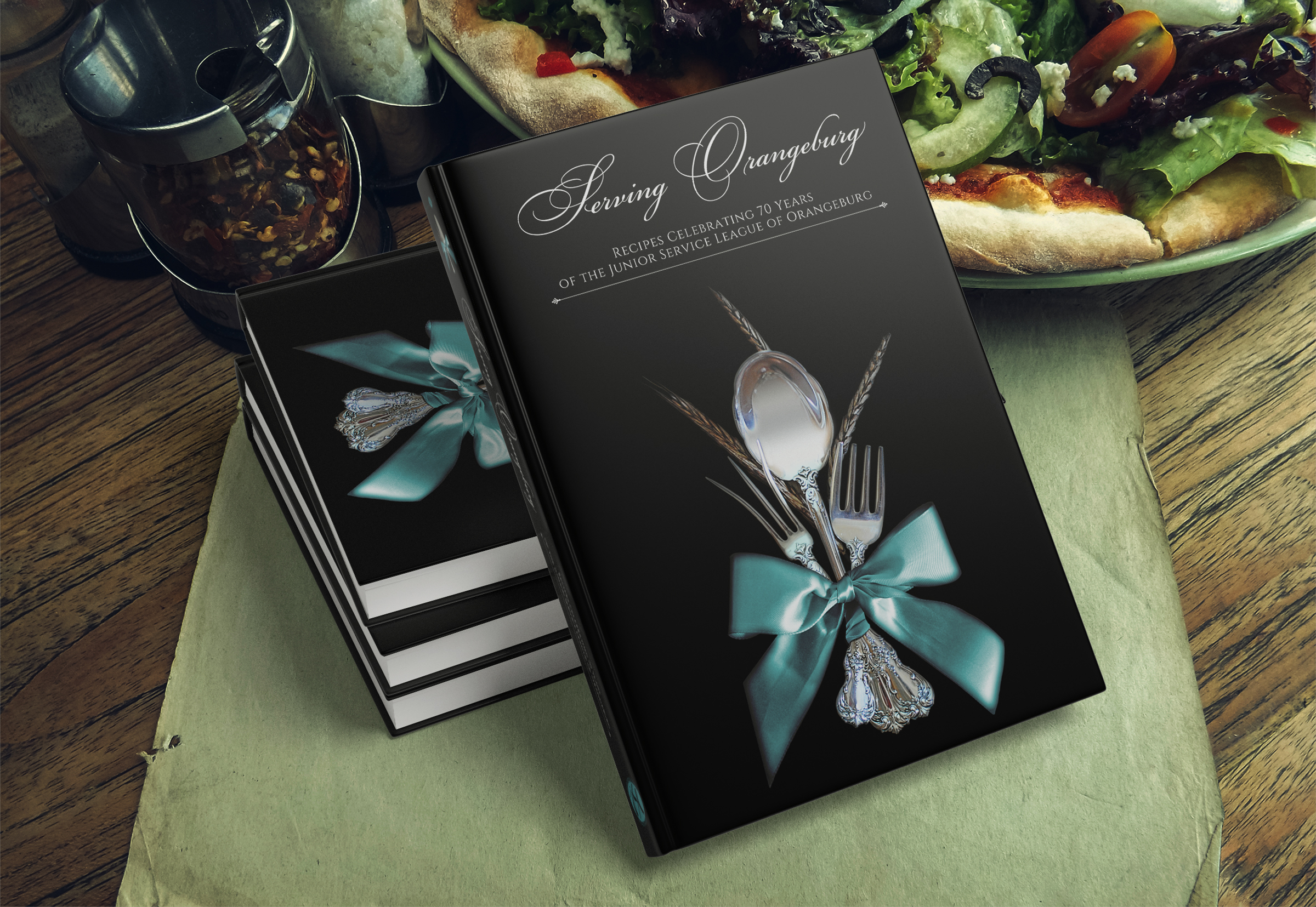
The first few years of Pi2PRO were fueled almost entirely by relationships. After eight years at Revelation, I had built a substantial network of people who liked working with me. When I left, a surprising number of them didn't want to work with someone else. So I didn't exactly have to start from zero. I picked up work from two other OOH companies, along with a steady stream of Revelation clients. Word of mouth did the rest. And apparently, I'm pretty good at CRM. People have actually told me I “give great phone.” I take that as a compliment. The work started with the usual creative stuff: logos, brochures, business cards, magazine ads, billboards, promotional merchandise, and plenty of production work. Then clients started asking for more. I was being pushed, guardrails were lifted, and I liked it. That was when Pi2PRO started becoming something considerably more interesting.
II. The Expansion
From Making Things to Building Brands
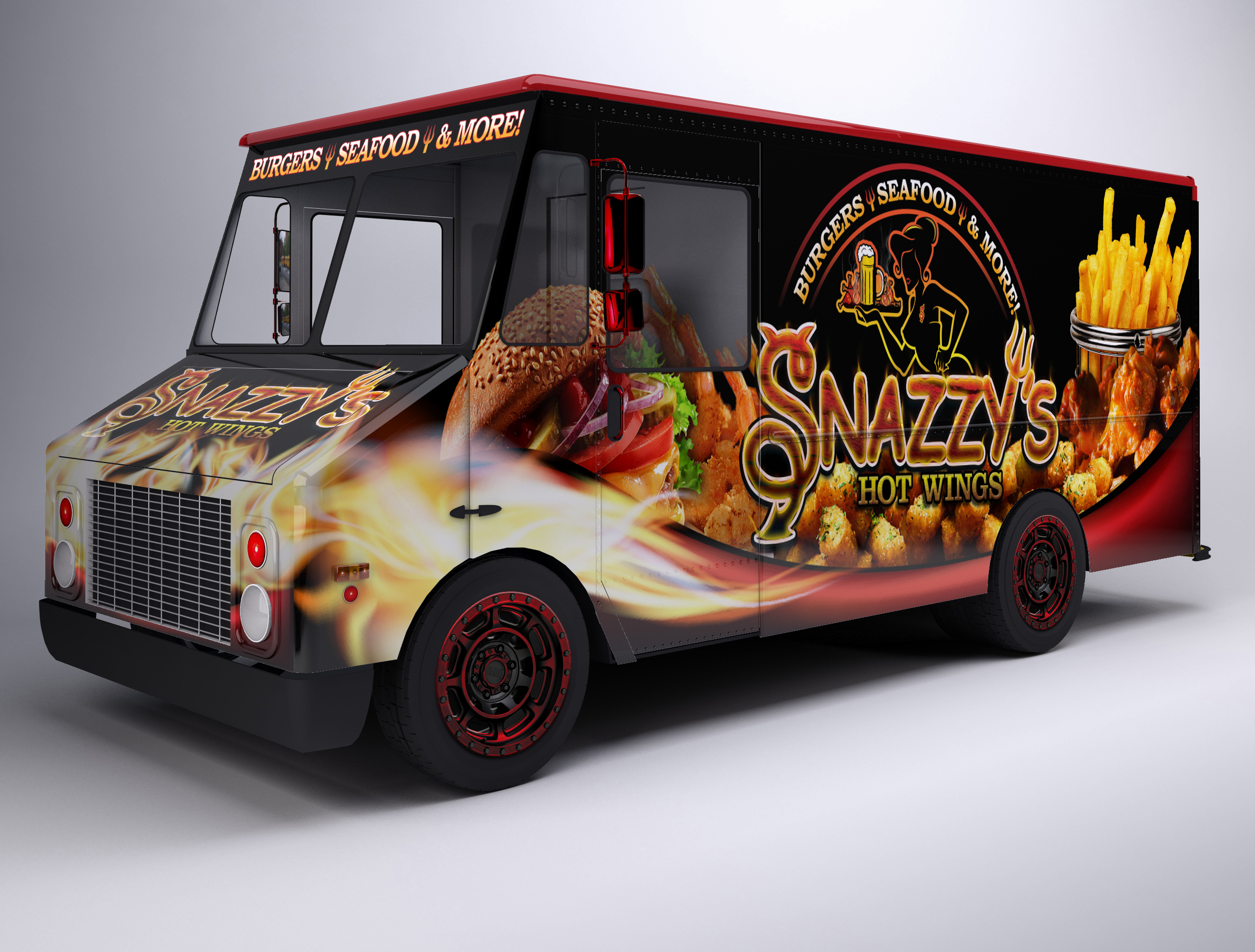
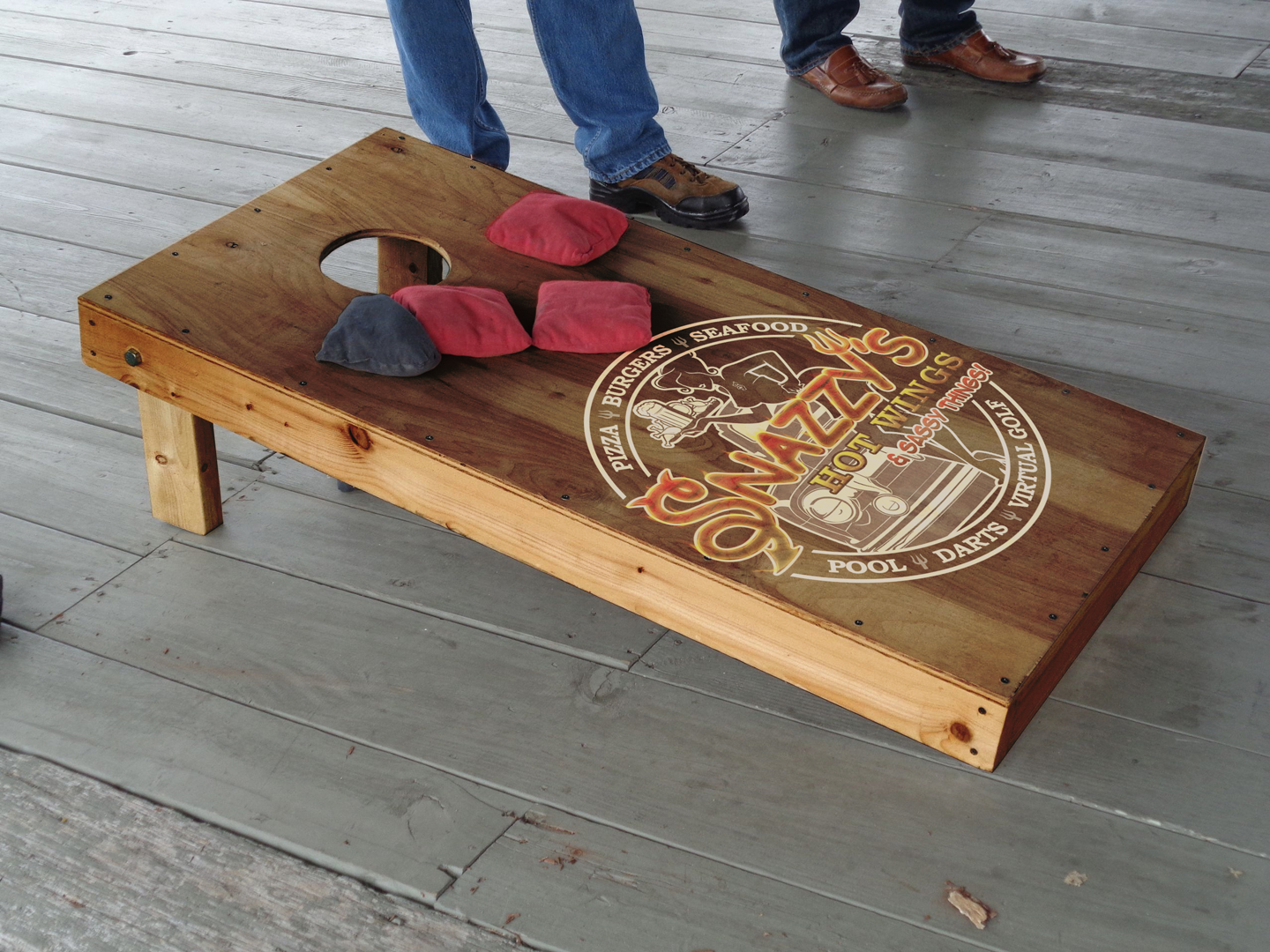
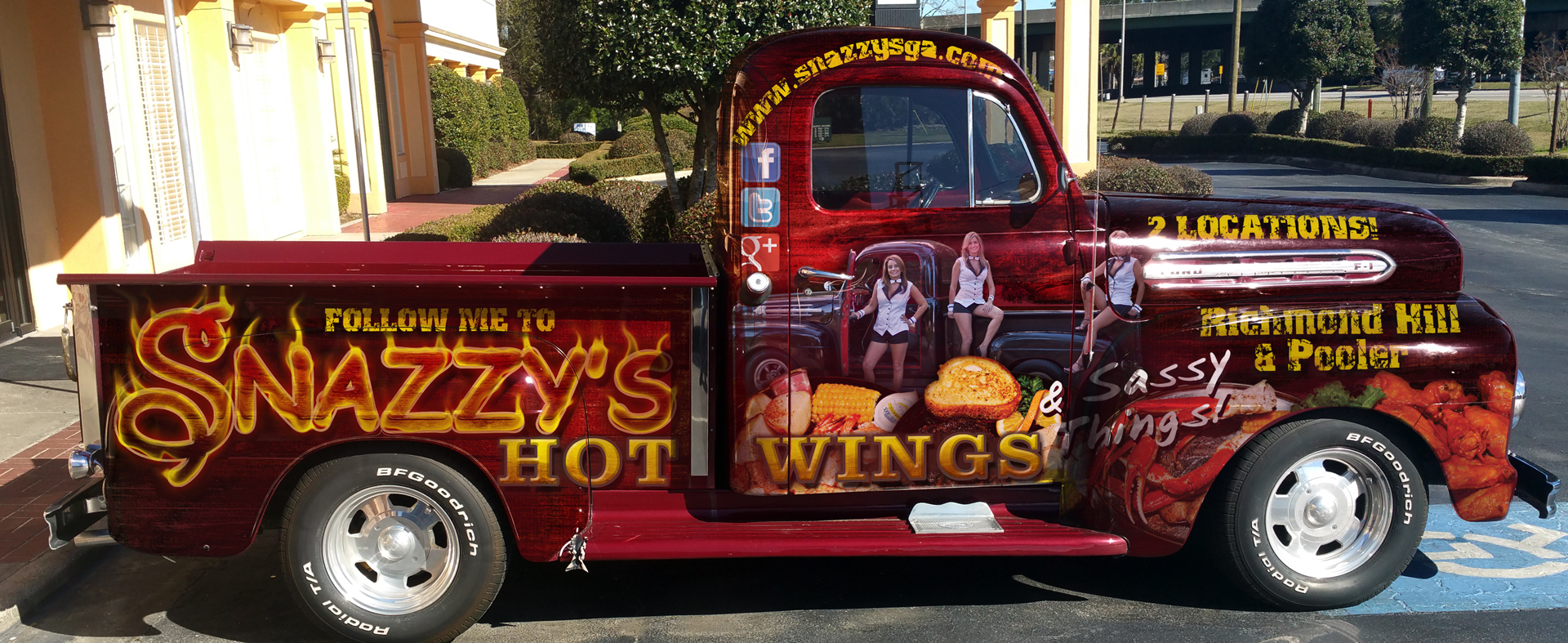
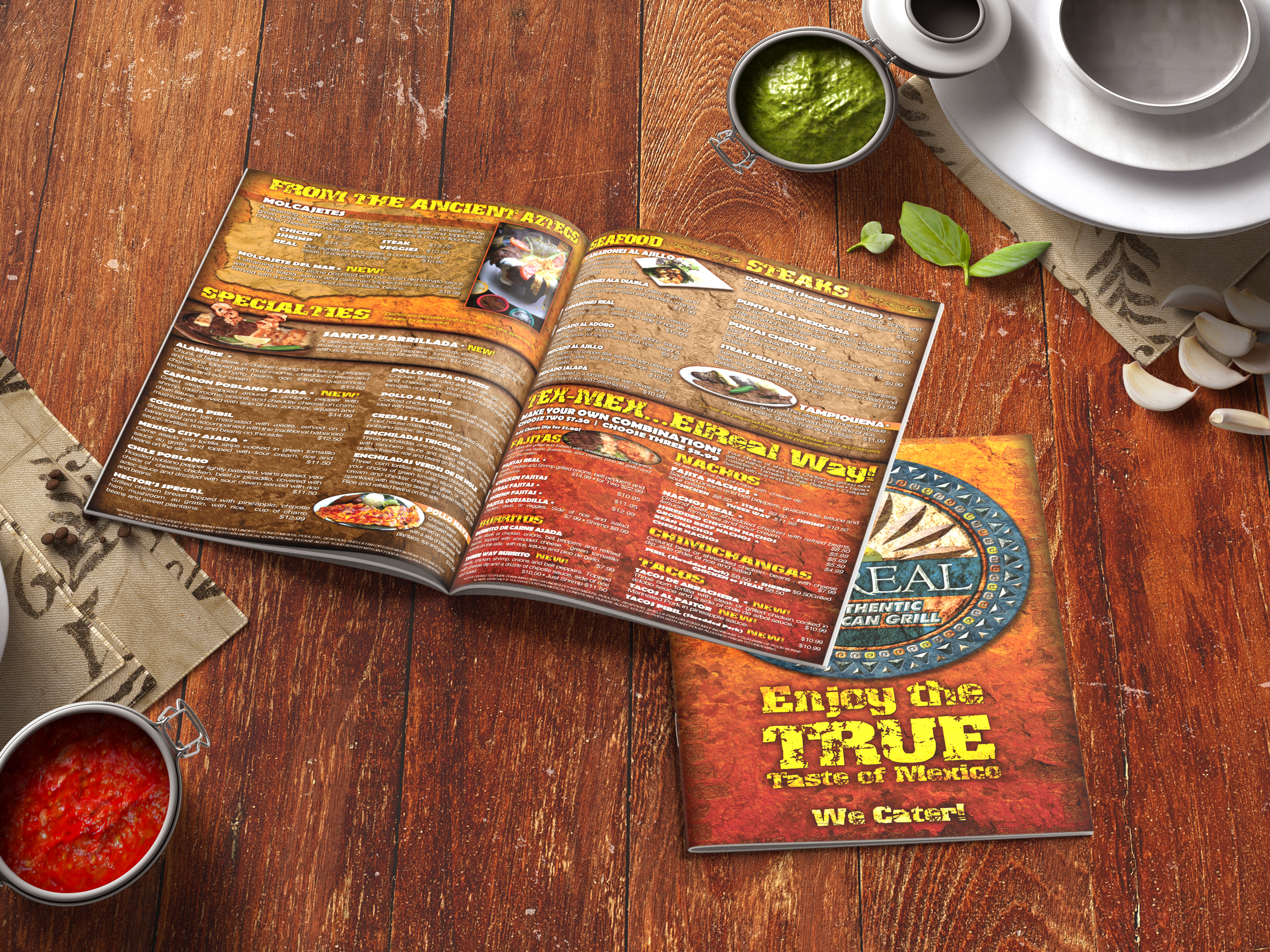
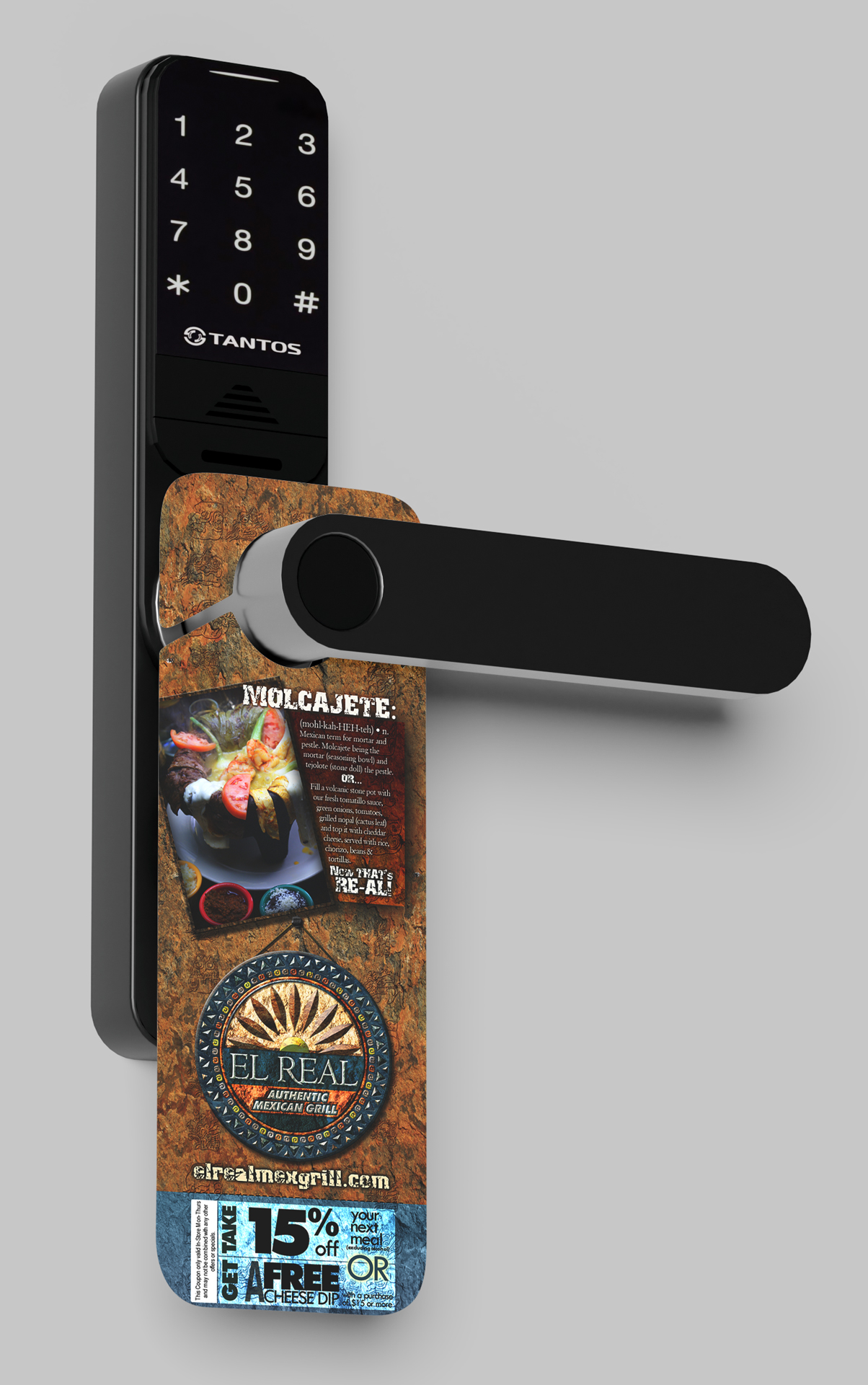
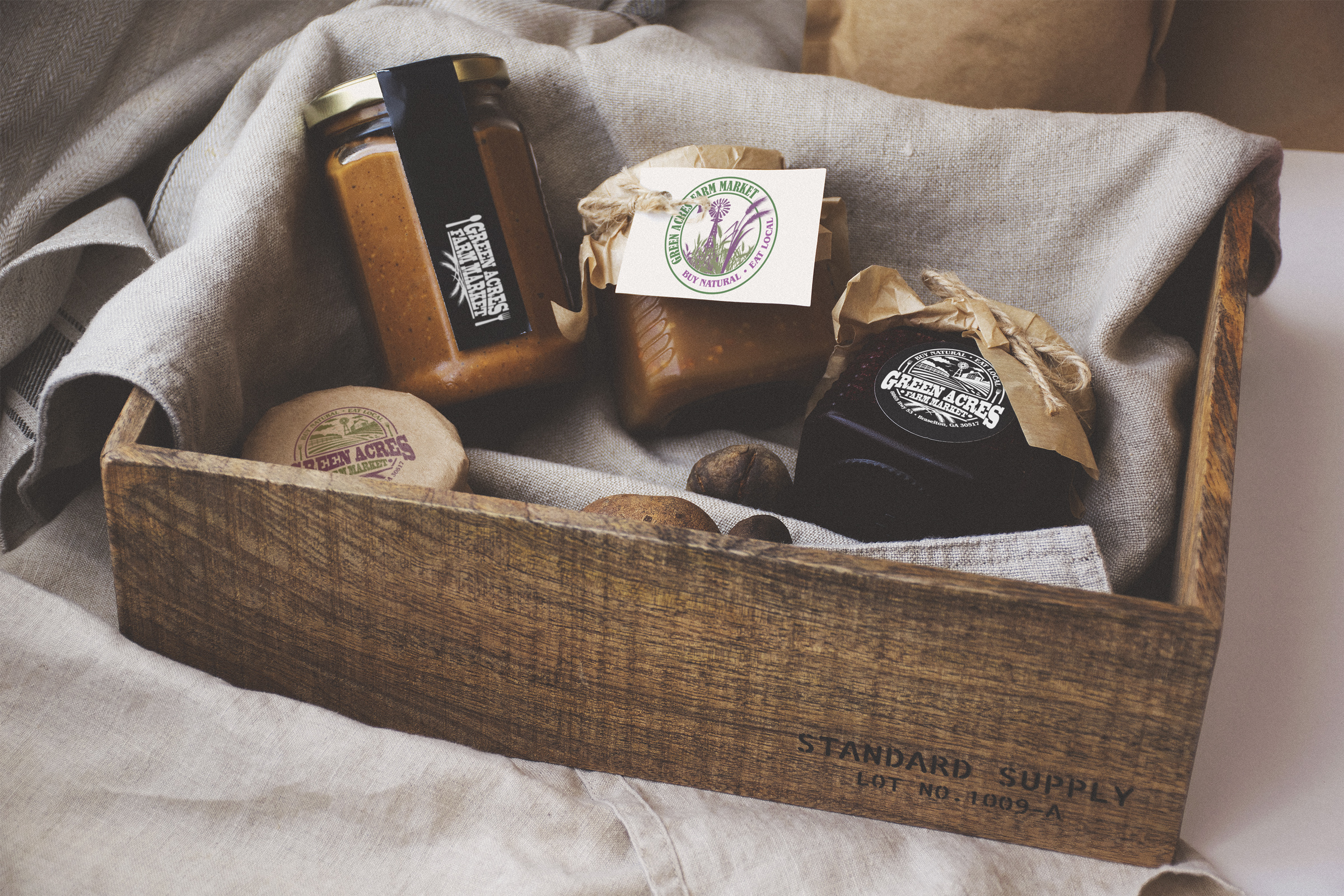
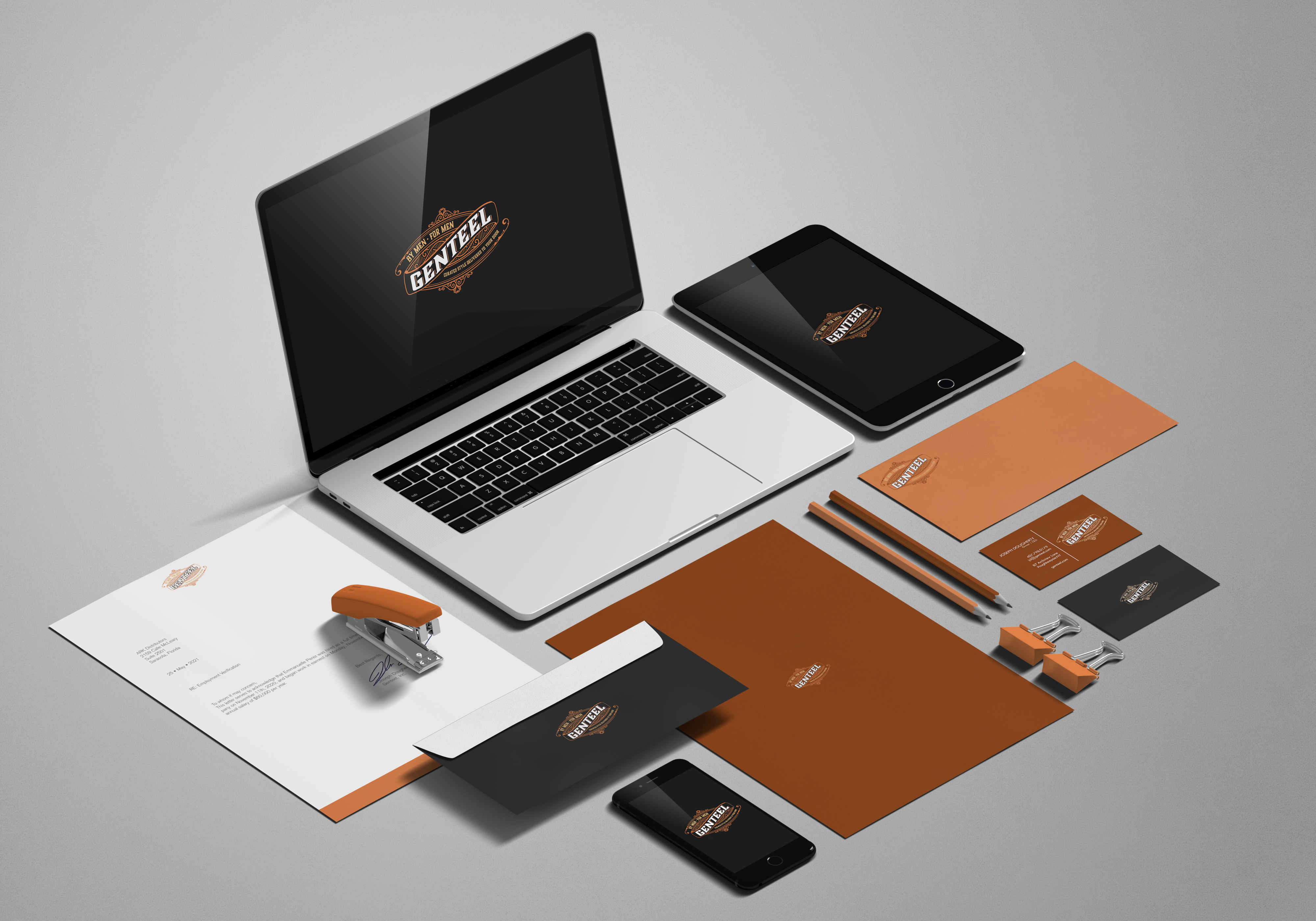
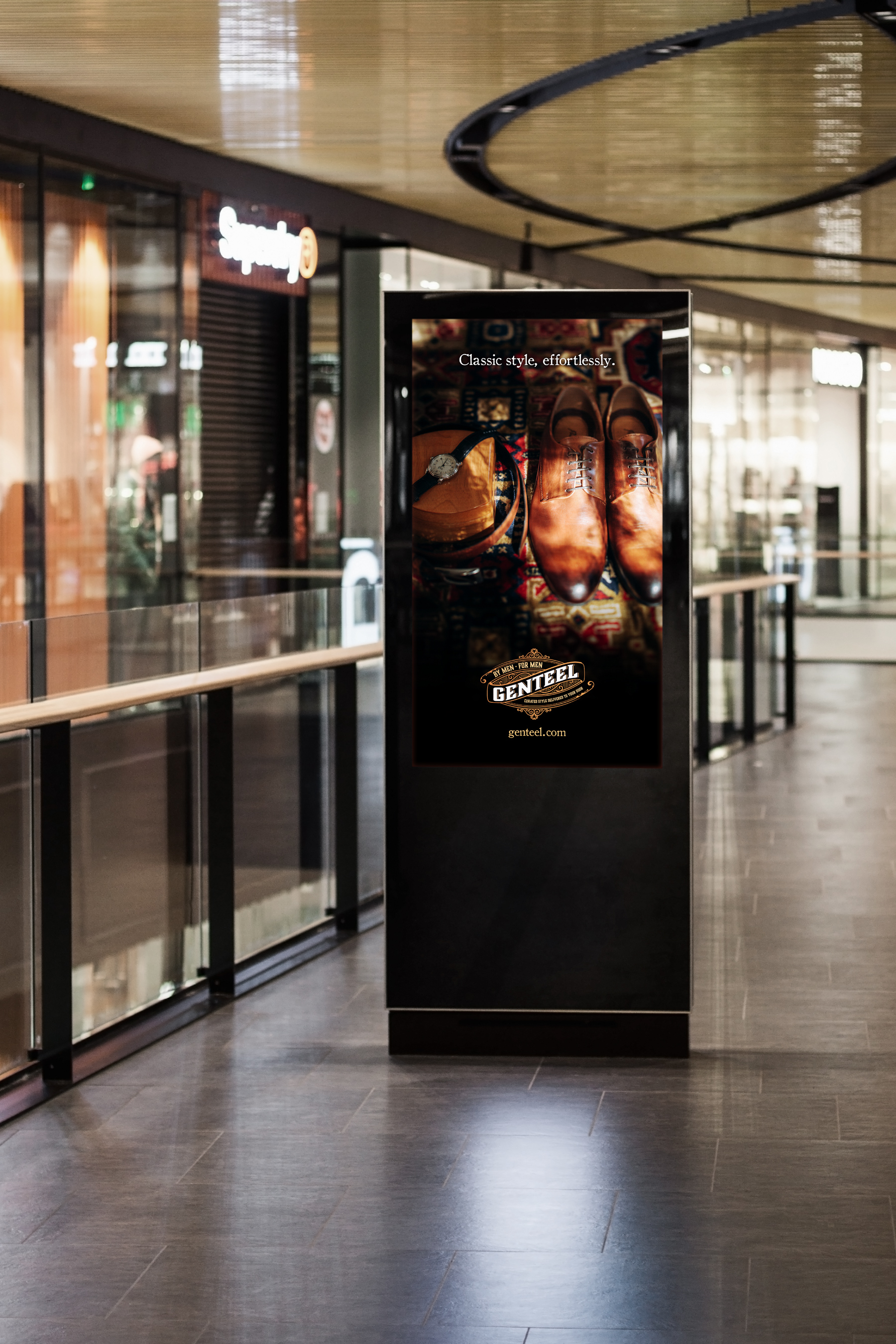
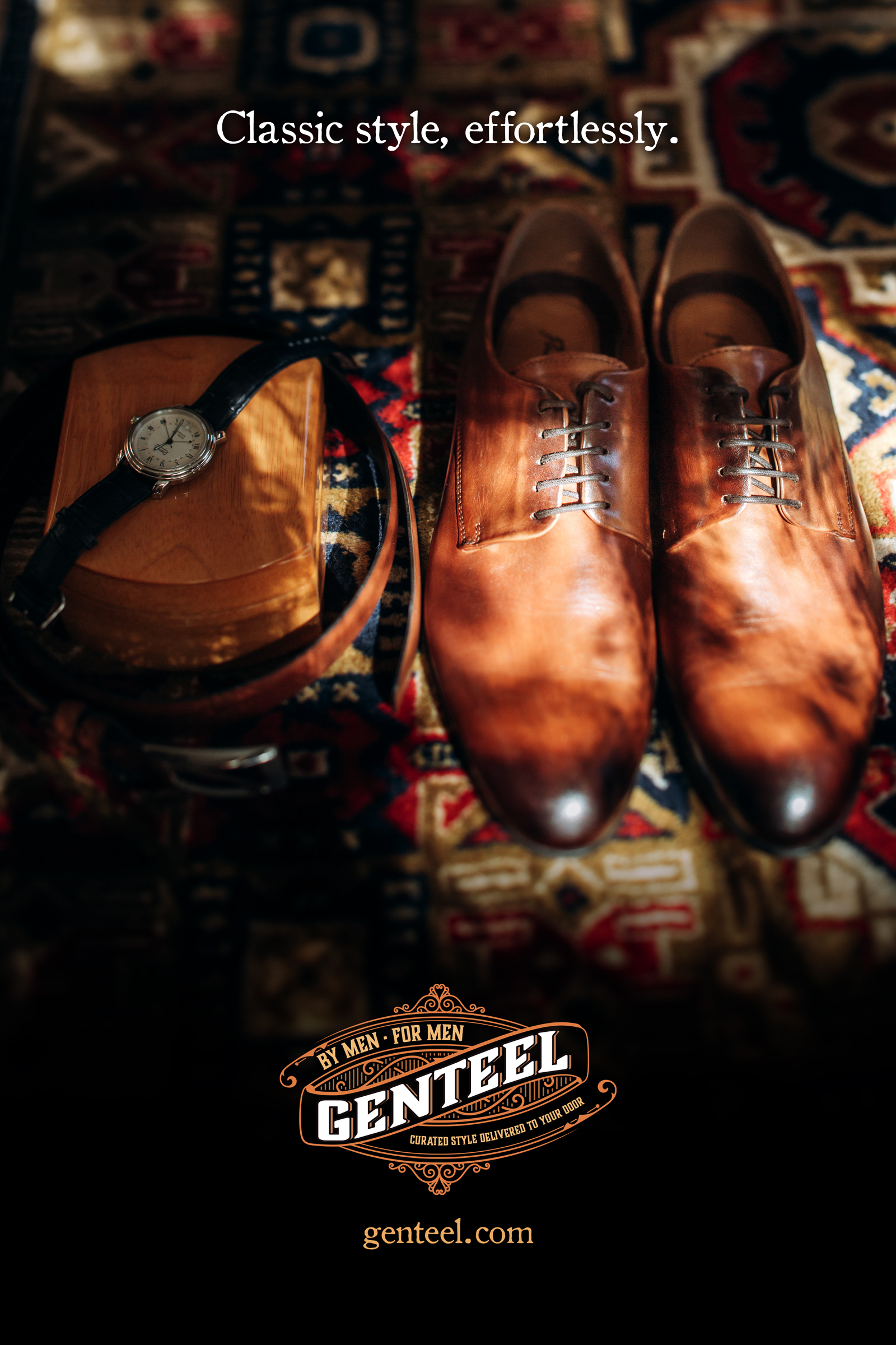
I wasn't interested in making a bunch of nice-looking stuff that happened to share a logo. I wanted the pieces to work together, look intentional, and make the business feel like the same business everywhere.
That was the point where Pi2PRO started becoming less about graphic design and a lot more about brand development. I wasn't just asking what something should look like anymore. I was thinking about how all the pieces needed to work together, what the business was trying to accomplish, and how the brand could help get it there.
III. The Toolbox
It Seems I Needed Some Therapy
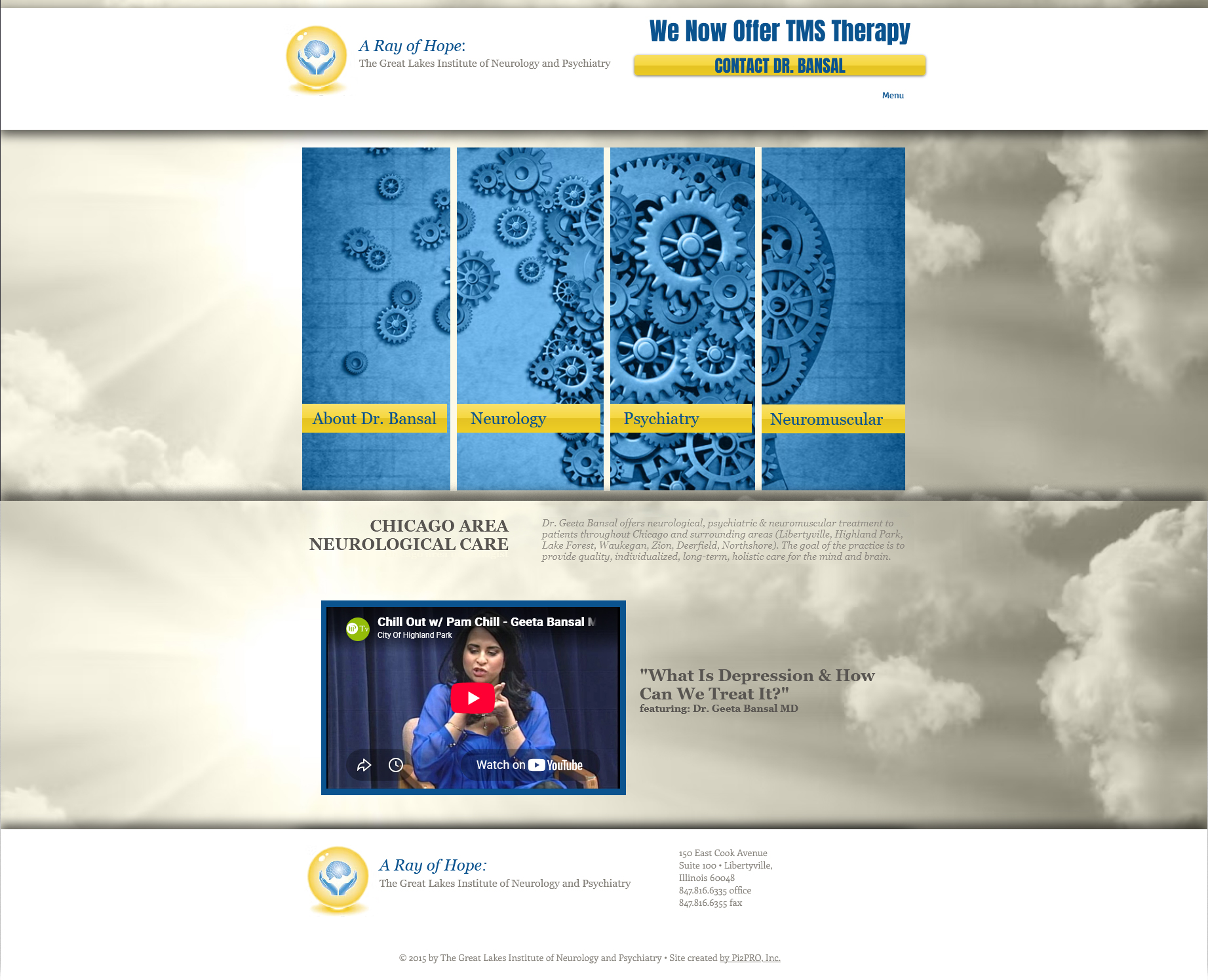
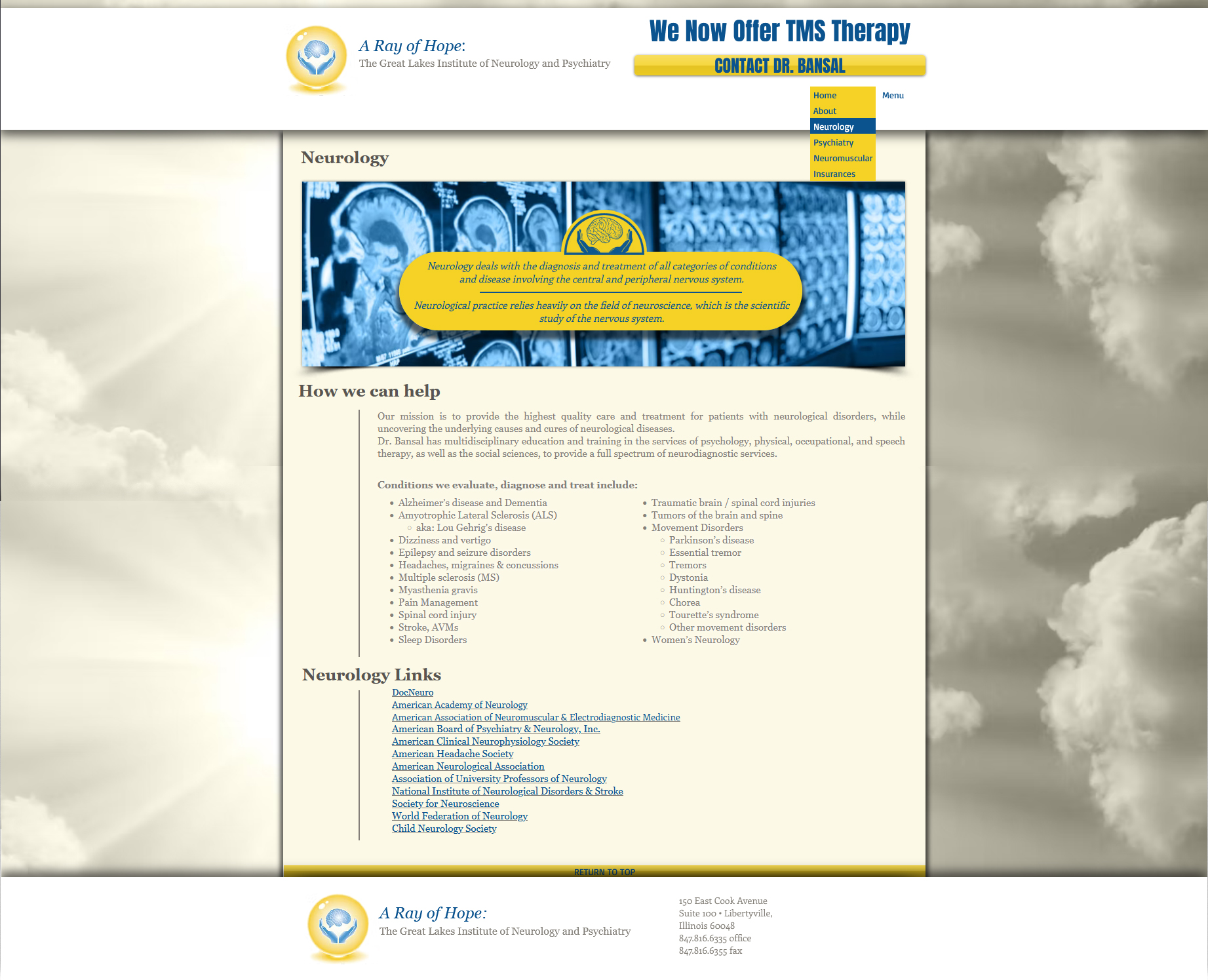
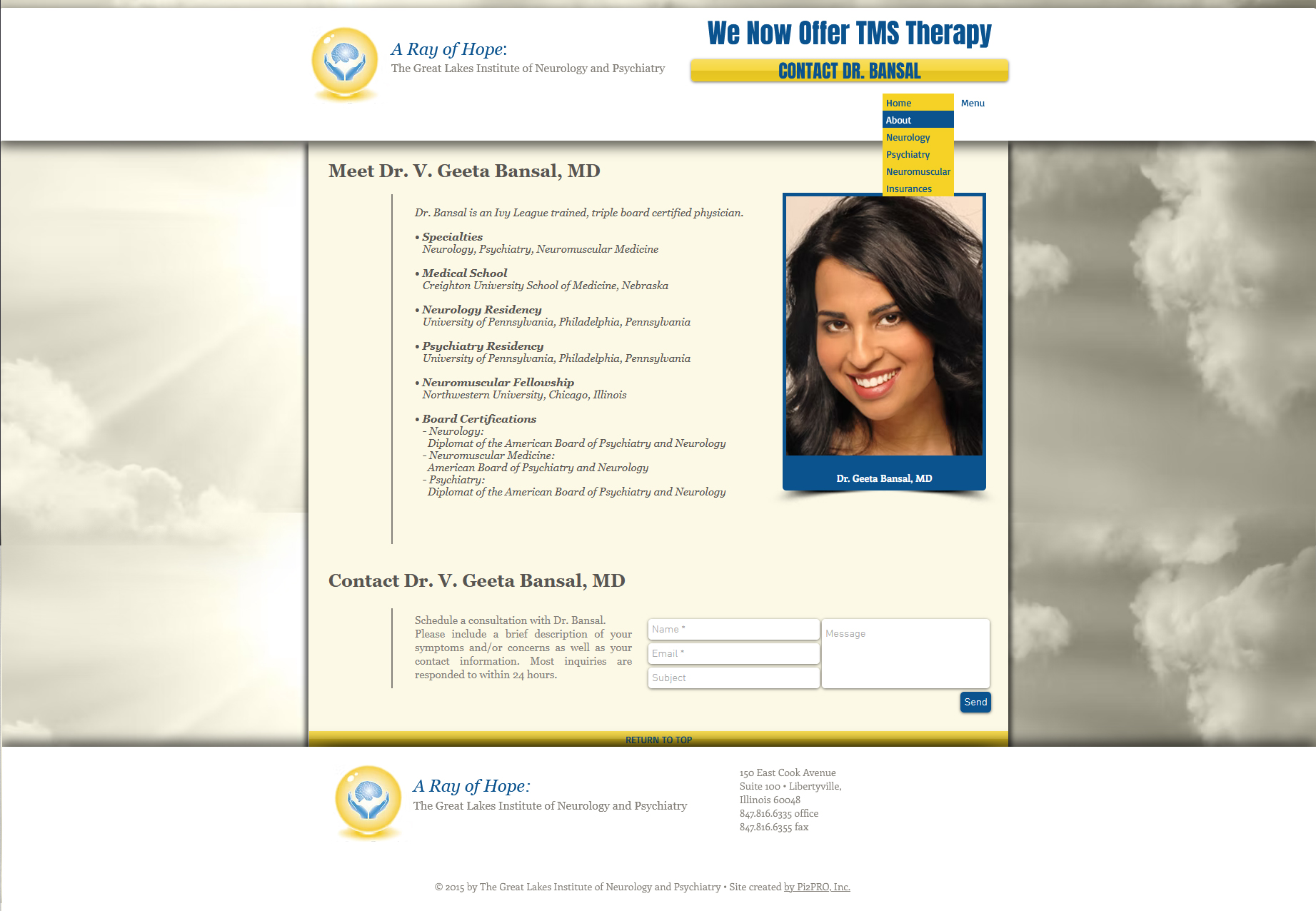
A year or so later, another OOH company out of Chicago brought me new challenges and then a new client: a psychologist launching her own practice.
We started with the usual branding and print essentials. A few months in, she asked if I knew anyone who could build her a website. “Of course I do. Me.” There was only one minor problem. I had never built a website. So I learned.
That project turned into social media work, which presented another small problem: I didn't know much about that, either.
I figured that out, too. I had a long-standing habit of saying “I can absolutely do that” and then teaching myself how to actually do it. It wasn't always the most efficient way to learn, but it worked.
And honestly, I've always considered those projects paid education. Worth every damn cent I lost on the invoice.

Stealing From The Best
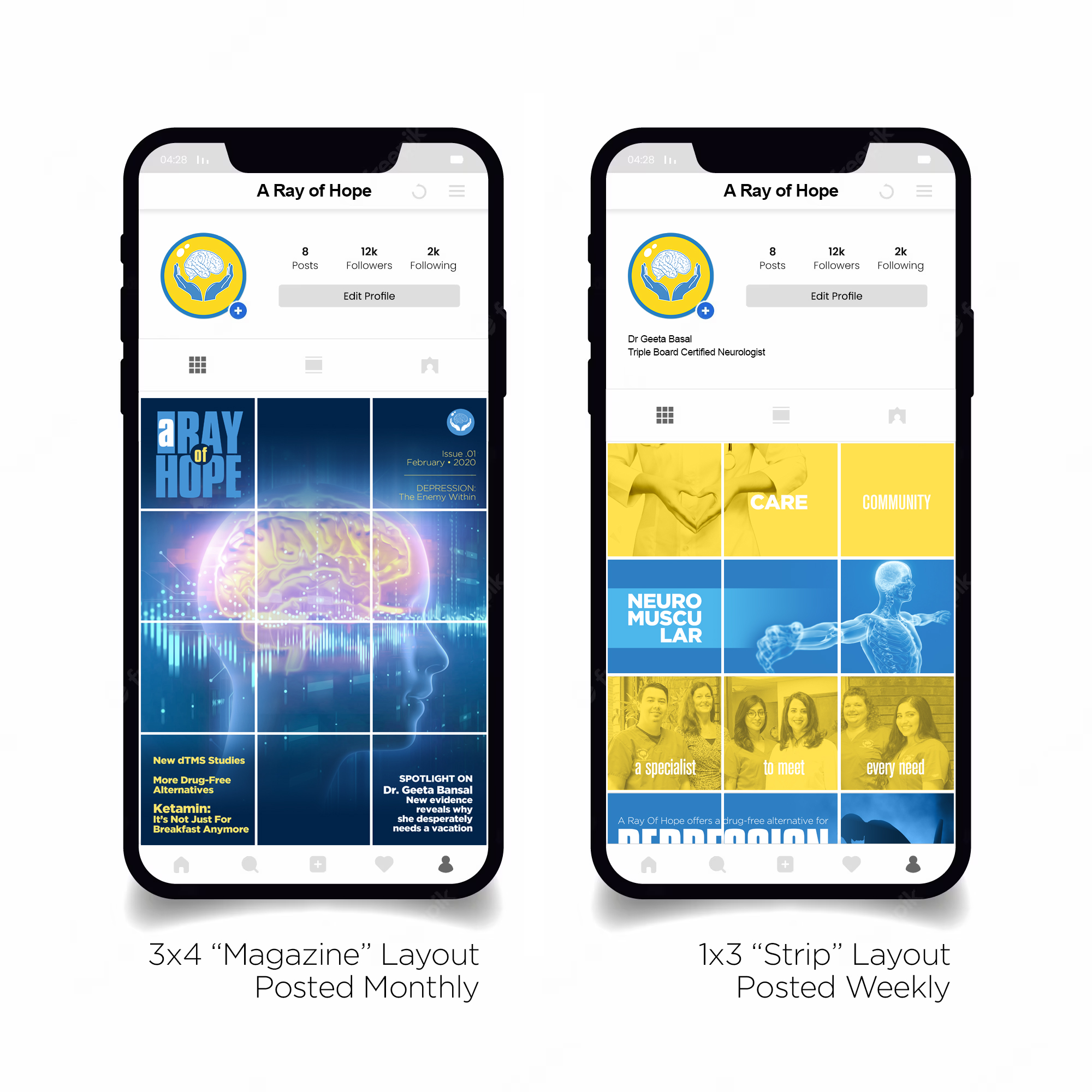
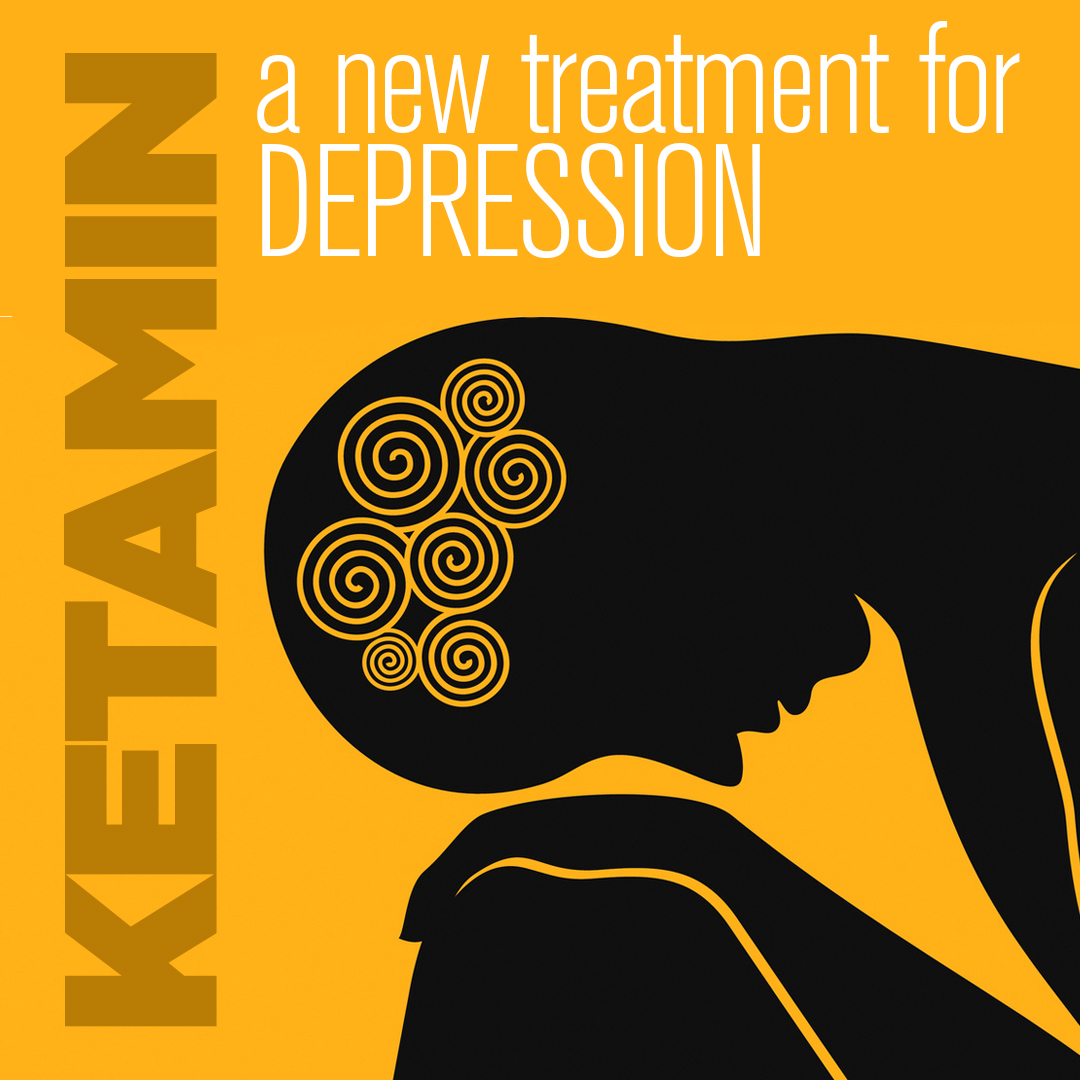
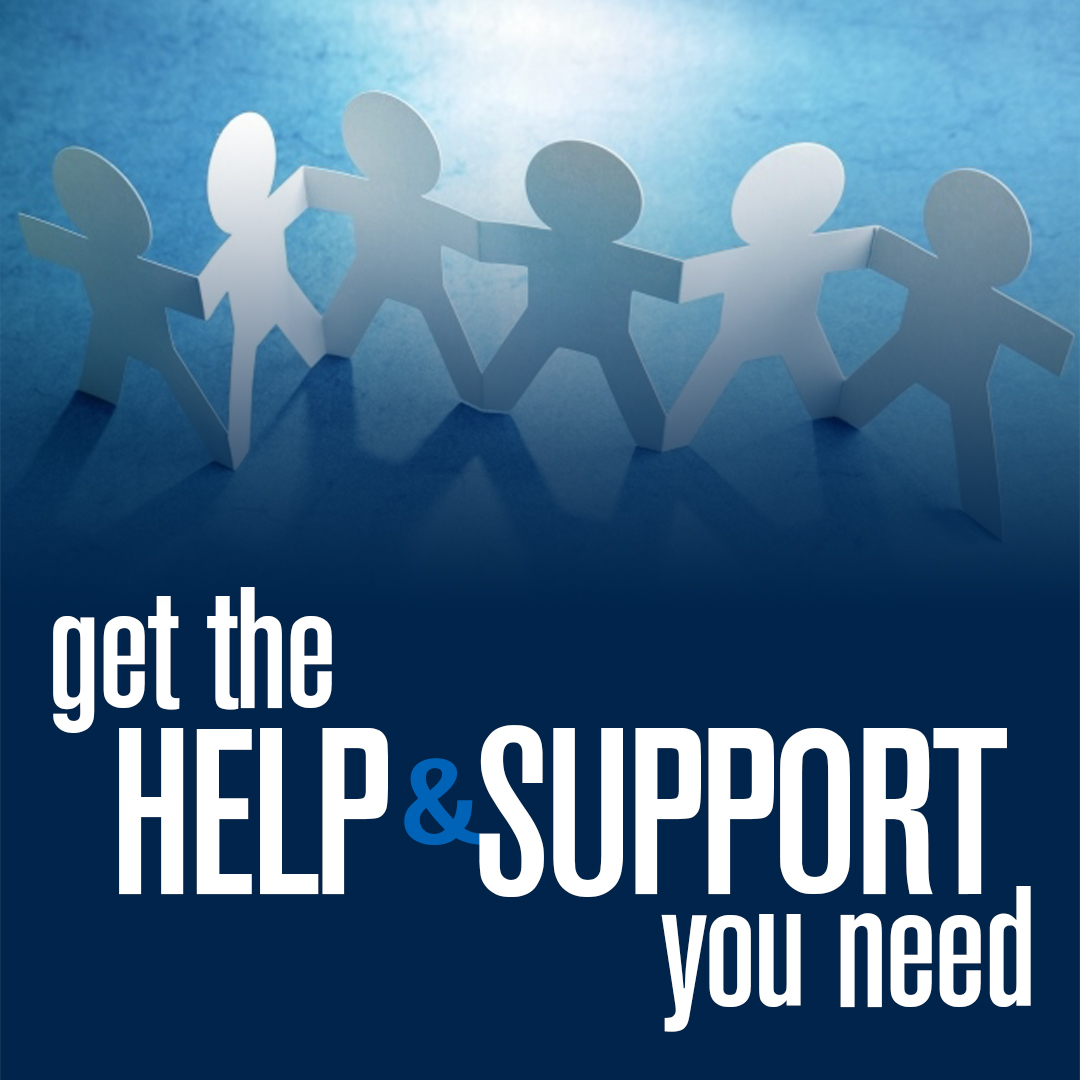
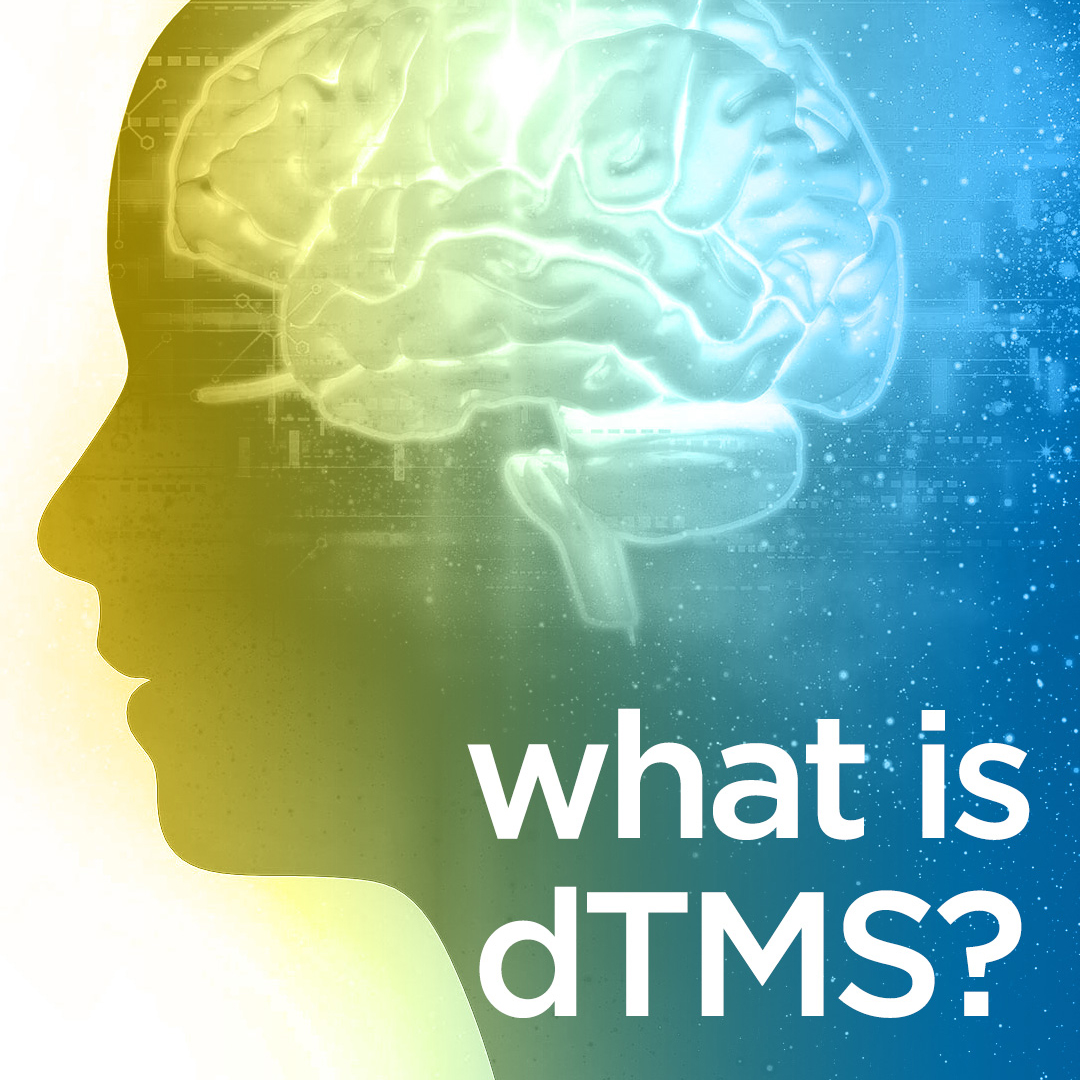
The website led to social media, and social media led to one of those “there has to be a better way” moments. I'm a watch enthusiast, and I'd noticed how Patek Philippe used Instagram's grid as more than a collection of individual posts. The images worked together like a catalog, and clicking into each piece revealed more information. So I stole the idea. Well... borrowed it aggressively. Between Photoshop and Premiere, I figured out how to build the effect and adapted it for the psychologist's practice. That little experiment became another tool in the box. I later used the same basic concept for KANA, turning Instagram into an interactive digital sales book for retailers. That's pretty much how Pi2PRO kept evolving: **see something interesting, figure out why it works, learn how to build it, then make it useful somewhere else.



IV. The Builder
Open The BlueDoor, Alice
By this point, I wasn't just being hired to make things. I was being invited into the “What if we...?” conversations.
Then a friend in the food-service industry approached me about buying the restaurants where he was a GM. The owner was ready to retire. Cooking is one of my passions, so I was immediately interested. There was just one little problem: I knew a lot about food. I knew considerably less about running a restaurant.
So I spent the next year learning the business from the inside: analyzing the numbers, understanding margins and operating costs, figuring out what the opportunity was actually worth, and building the financial case for the deal. Then I did what I apparently do. I started thinking bigger.
The restaurant became the foundation for a business plan, an investor deck, and three additional businesses that could grow around it.
Suddenly, we weren't buying a restaurant anymore.
We were building a hospitality company.

BlueDoor Hospitality Group
I saw an opportunity to build something much bigger around the restaurant. I developed three additional concepts: KANA Lounge, an upstairs Puerto Rican-inspired tapas bar; Bradford Street Catering, using the restaurant kitchens when they weren't needed for service; and TOGO on the Square, a walk-up concept built around handheld versions of what we served across the other operations. I developed the identities, then built the business plan, financial model, projections, and investor deck around the whole thing. For a while, it looked like we were going to pull it off. Then, the day I showed up with the paperwork, the owner backed out. After a year of work, the deal was dead. It was devastating. And, in hindsight, there was a lesson in it that I appreciate but am still trying to implement: I have a tendency to get excited about a good idea, trust the people involved, and go all in. Sometimes that's exactly what makes something happen. Sometimes the idea is right and the timing, circumstances, or people aren't. Either way, I learned to separate enthusiasm for an idea from confidence in the opportunity around it.


...then, MORE BOURBON
There was one particularly strange connection hiding in the BlueDoor story. The restaurant we were trying to buy had a bar. On that bar sat LEGENDS. Apparently my career had decided it was going to start writing its own plot twists. While at LEGENDS, I met Southside Steve and worked closely with him on his Yeah C'mon Bourbon. When the problems at LEGENDS eventually came to light, Steve and I started talking about taking the Yeah C'mon intellectual property and building an entirely separate brand with a new distillery. So I did what I'd done with BlueDoor. I learned the business, built the numbers, developed a P&L and five-year pro forma, translated the plan into an investor pitch deck, and developed the brand, labels, and merchandise. Once again, I wasn't just designing a brand. I was helping build the company behind it.
V. The Pattern
Oh, The Irony Of Synchronicity
One of the stranger things about doing this for 25+ years is realizing that almost nothing is actually unrelated.
A billboard client leads to a psychologist. A psychologist leads to web and social. A restaurant project leads to hospitality strategy. A restaurant bar leads to LEGENDS. LEGENDS leads to Yeah C'mon. And somewhere along the way, all of those experiences start feeding each other.
The result is a skill set that doesn't really fit neatly into a discipline.
I collect things. Skills, ideas, industries, relationships, lessons... even the occasional spectacularly expensive mistake.
Then I find somewhere to use them.
VI. The Lesson
You Are Never Too Old For A Schoolin'
I've had some spectacular successes. I've also spent an embarrassing amount of time building things that ultimately went nowhere because I got too excited about the opportunity, trusted the idea before I fully vetted the circumstances around it, or focused so hard on the vision that I ignored the red flags standing directly in front of me. Apparently, “I can absolutely make this work” and “these are the right people to make it work with” are two completely different questions. I've learned that I'm very good at the first one. The second one has taken a little longer. The upside is that every one of those experiences taught me something: how to evaluate an opportunity, understand the business behind an idea, recognize risk, ask harder questions and, most importantly, distinguish between a great idea and a great business. I still get excited about ideas. I probably always will. I just don't confuse excitement with due diligence anymore.

So What Do I Actually Do?
The short answer: a lot.
Creative direction. Branding. Strategy. Graphic design. OOH. Print. Packaging. Web. Social. Digital. Content. Advertising. Business plans. Financial modeling. Pitch decks. Product development. Marketing. Client relationships.
The longer answer is that I kept taking on problems that didn't necessarily come with instructions.
Sometimes I already know how to solve them.
Sometimes I have to learn.
Either way, the answer is usually yes.
VII. The Next Chapter
What The Hell IS An "Umbrello"?
After 15 years of Pi2PRO, I finally got tired of spelling it.
Seriously. Every time I gave someone my email address or told them where to find my work, I had to spell it out.
P-I-2-P-R-O.
It worked at the time, but it had started to feel more like a piece of history than a reflection of where I am now.
So I built something new: Umbrello Creative.


What Does It MEAN, Basil?
The name came from the idea of an upside-down umbrella. A normal umbrella keeps things out. Mine catches and gathers everything: ideas, skills, disciplines, experiences, and the many weird little rabbit holes I've wandered down over the years. It's also an umbrella company in the most literal sense. Everything I've learned, everything I can do, and everything I haven't learned yet but will inevitably decide what belongs under it. Pi2PRO is where I built the toolkit. Umbrello is what I'm doing with it now. Umbrello is still taking shape, but the work hasn't stopped. Right now, that means web, social, photography, branding, and content. The difference is that I'm no longer particularly interested in defining the work by a job title or predetermined list of services. If the problem is interesting, I'm interested. And if I don't know how to solve it yet? Well, we've already established how that usually goes. I tell you I can do it, then I figure it out
Bonus - The Playground
What Happens When I'm Not Doing All The Other Stuff
Not everything I make has a client attached to it.
Some of it exists because I wanted to learn something. Some because I had an idea I couldn't let go of. Some because I thought, “I wonder if I can actually pull that off?”
I've taught myself new digital-art techniques just to see how far I could push them. I've designed and packaged my own board games. I've built an entire visual identity for a band, from the logo to the packaging, merchandise, and everything in between. I'm constantly learning about photography. Hell, I even design fake movie posters just to make fun of my friends. Lately I've been recreating album art using every trick in my arsenal.
And then there's the audio: composition, orchestration, voice-over, and production.
Most of this was never assigned to me. That's kind of the point.
This is what happens when I get curious and have nowhere else to put it.


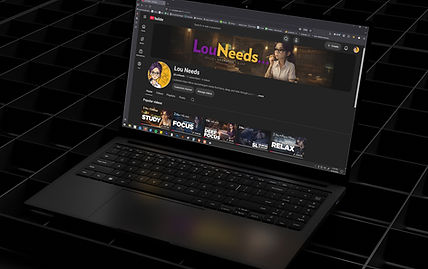
LouNeeds
Building A Lil' Character
I wanted to see what I could build with a character, a ridiculous number of creative tools, and a little free time.
I created Lou as a 2D character, then turned her into a 3D character and built a full visual system around her so I could place her consistently into different scenes. Then I built the rest of the world: the branding, channel, environments, music, video, loops, and even the character's wardrobe.
I use AI where it makes sense, but I don't let it make the creative decisions for me. My background in music, visual design, editing, and composition lets me direct the tools instead of simply accepting whatever they spit out.
Five videos in, LouNeeds is still an experiment.
But that's the fun part. I get to find out what I can make next.


So What Does All This Mean For You?
For starters, you get to stop reading. Many thanks for hanging in there.
You probably don't need another person who only knows how to make the thing. You need someone who can understand why you're making it, figure out what it's supposed to accomplish, and then actually make the damn thing.
That's what 25+ years of doing this has taught me. I don't just bring a skill set. I bring a toolbox. And if the right tool isn't in it yet, I'll probably build one.
Got a problem? Good. I'm not particularly interested in being another pair of hands waiting for someone to tell me what to make.
Give me the problem. Give me the idea. Give me the mess.
Let's figure out what it could become.
(See that HIRE ME button? Let's just give that a click and get on with things)