REVELATION Outdoor
Creative Direction • Art Direction • Production • Operations • Client Management & The DOT
Outdoor advertising has a funny way of making “just make it look good” considerably more complicated than it sounds. A billboard isn't just a Photoshop or Illustrator file. It's a physical object that has to survive distance, weather, fabrication, installation, traffic speed, viewing angles, production tolerances, deadlines, budgets, and occasionally a very unhappy client. Over eight years, I worked across that entire chain. 780+ clients and accounts. 1,500+ advertising assets. 500+ Georgia 511 signs. Four markets: Georgia, South Carolina, Oregon, and Puerto Rico. The result was a pretty comprehensive education in what happens after someone says, “Looks good. Send it to production.”

Overview
Outdoor advertising is where creativity meets physics.
From 2003 to 2011, I operated somewhere between the creative department, production floor, vendor network, and client meeting. I developed campaigns and production-ready artwork, managed large-format production, coordinated vendors and installers, handled prepress and quality control, and kept projects moving from concept through final installation.
Revelation Outdoor operated across Georgia, South Carolina, Oregon, and Puerto Rico, serving hundreds of clients across a remarkably broad range of industries.
I wasn't just designing the advertising. I was helping make sure the advertising actually happened.


Role & Scope
-
Creative Direction: Developed concepts, layouts, graphics, and production-ready artwork for 1,500+ advertising assets serving 780+ clients and accounts.
-
Large-Format Production: Produced and managed advertising across billboards, transit displays, signage, and digital outdoor media across four markets: Georgia, South Carolina, Oregon, and Puerto Rico.
-
Production Management: Coordinated schedules, specifications, vendors, printers, fabricators, installers, and media operators from creative approval through deployment.
-
Prepress & Quality Control: Managed technical requirements, artwork preparation, color, sizing, file specifications, and production quality.
-
Operations: Managed workflows, budgets, timelines, vendor relationships, installation coordination, and multi-location deployment.
-
Process Improvement: Redesigned workflows and vendor coordination processes, reducing production turnaround time by 50%.
780+
Clients and Accounts served
1500+
Large-format advertising assets delivered
500+
Georgia 511 signs developed and deployed
4
Markets supported: GA • SC • OR • PR
50%
Reduction in production turnaround time
A few of the names that crossed my desk


Approach
Make the idea work in the real world.
The creative was only the beginning. Every project had to move through a chain of people, specifications, vendors, production schedules, installation requirements, and deadlines. I learned to look at creative from both sides: how it needed to communicate to the audience and how it needed to function for the people responsible for printing, fabricating, installing, and deploying it. That mindset became one of the most useful things I took with me from Revelation. A great concept doesn't matter much if nobody can build it.

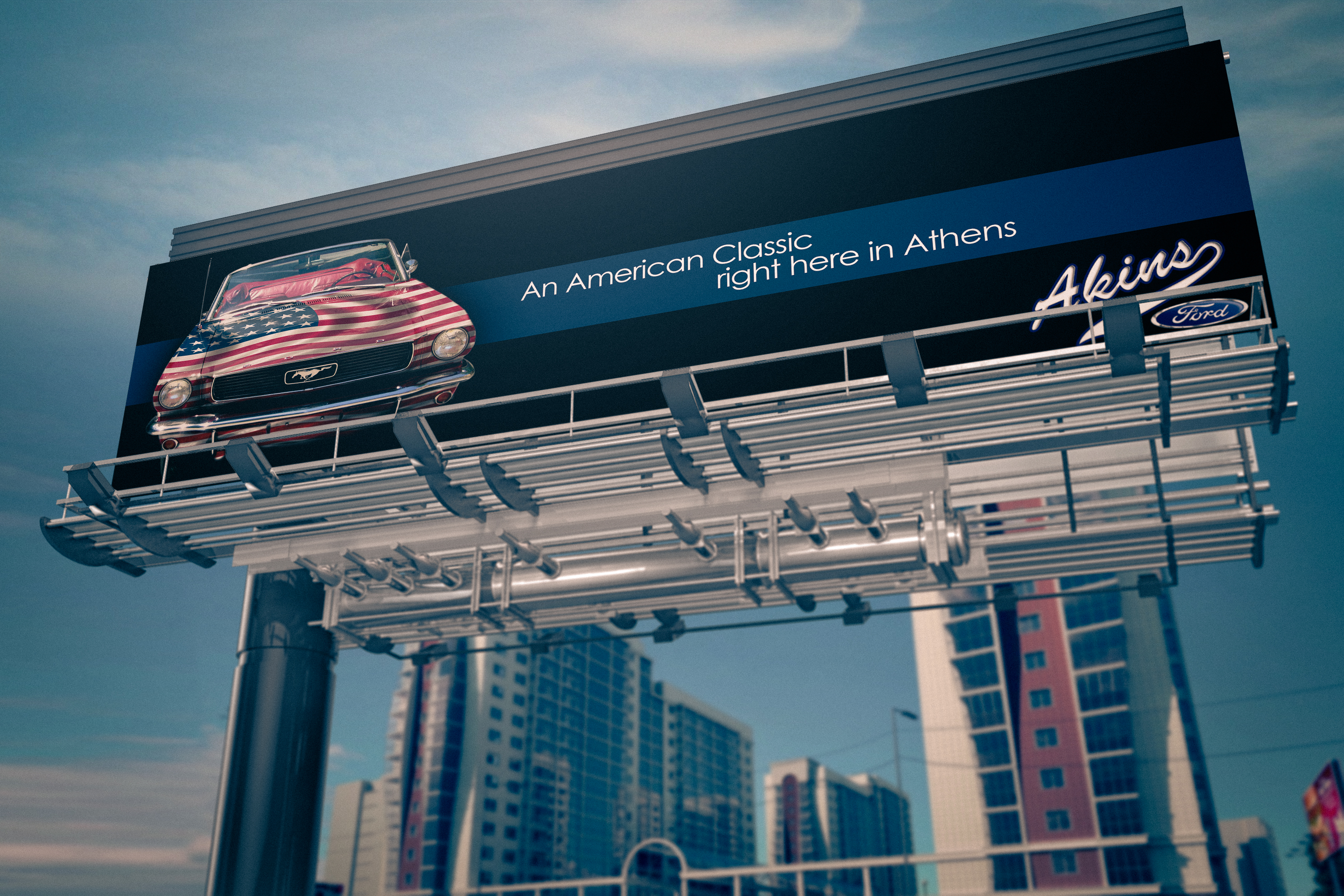
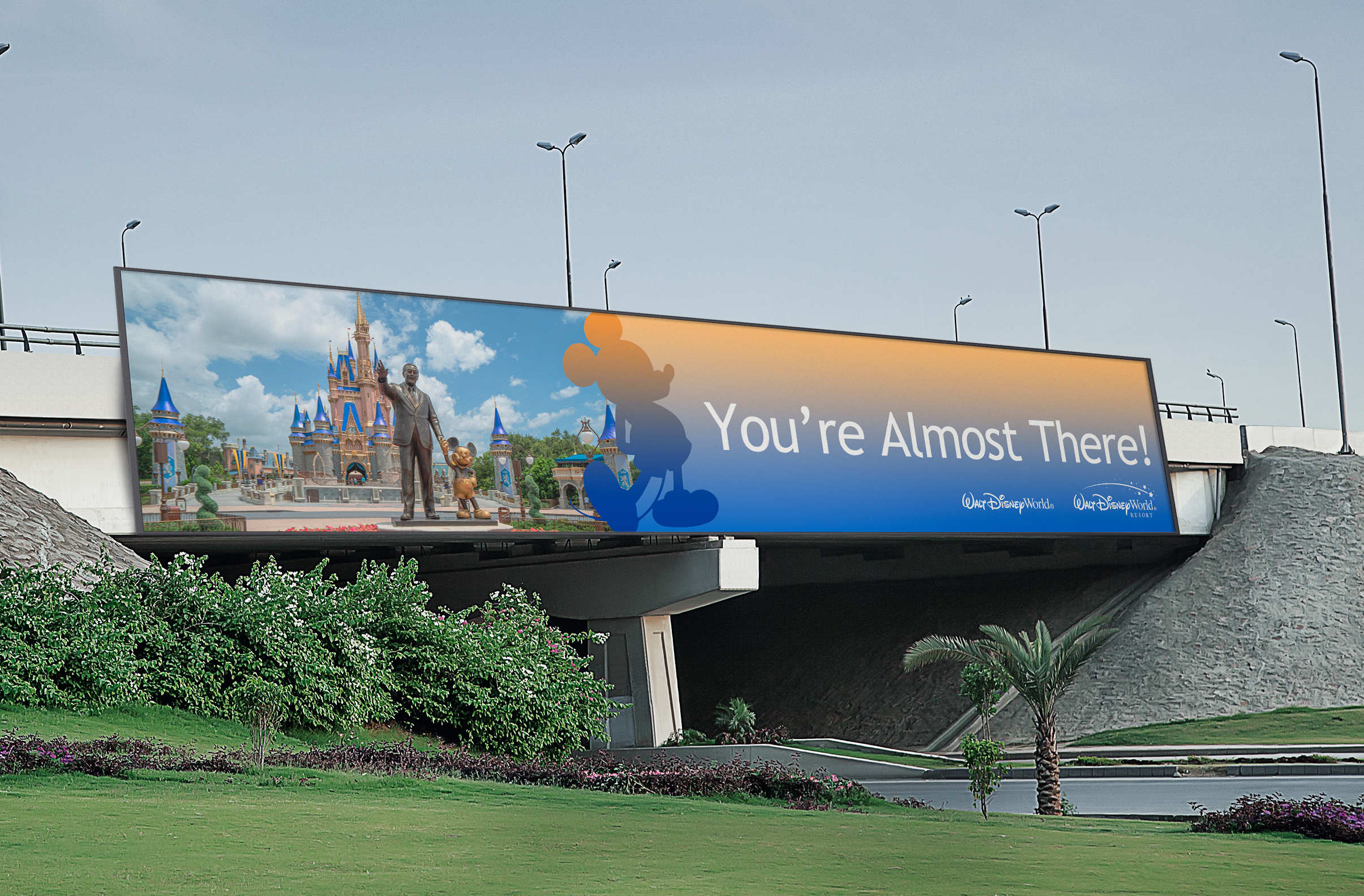
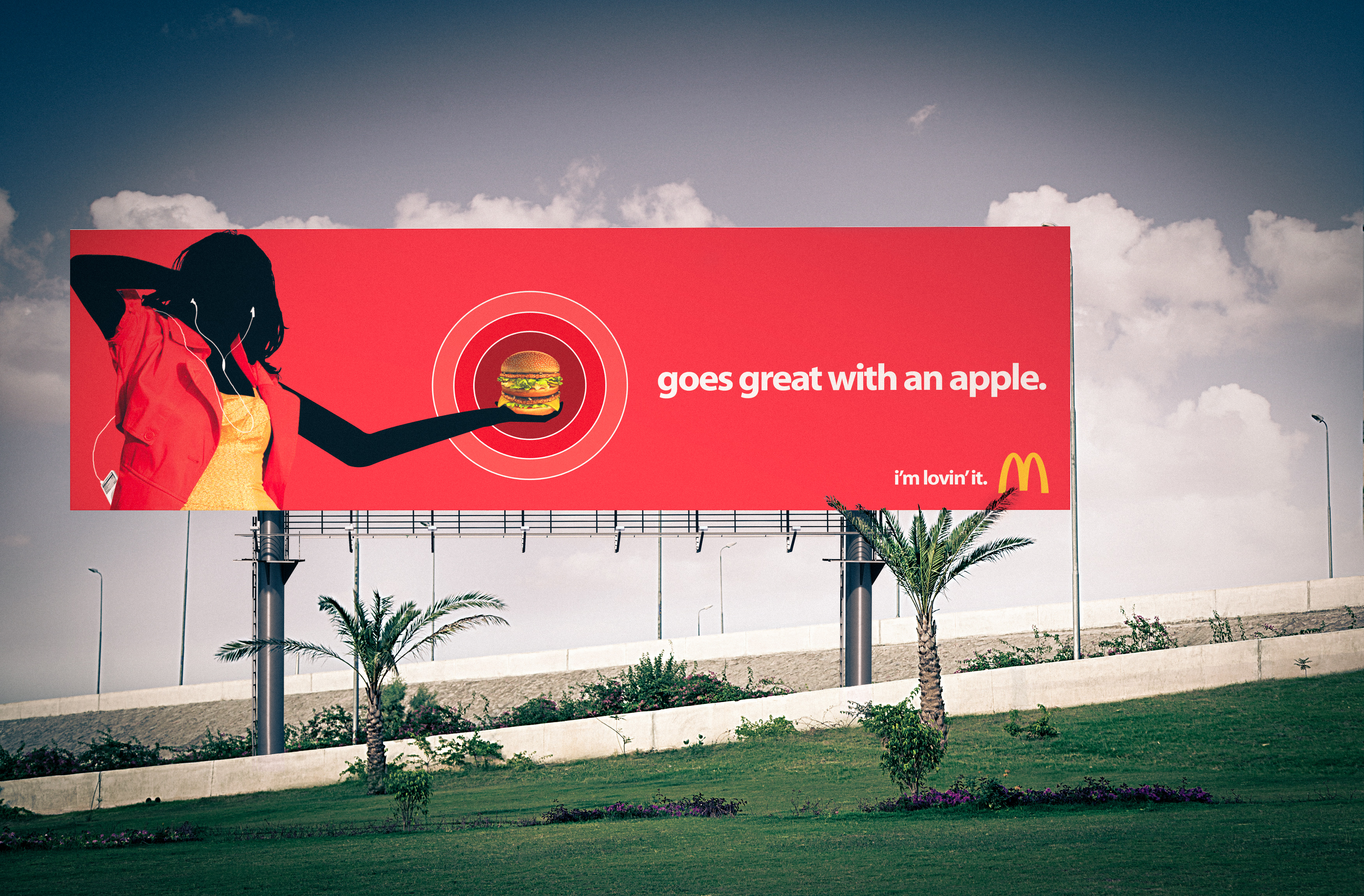
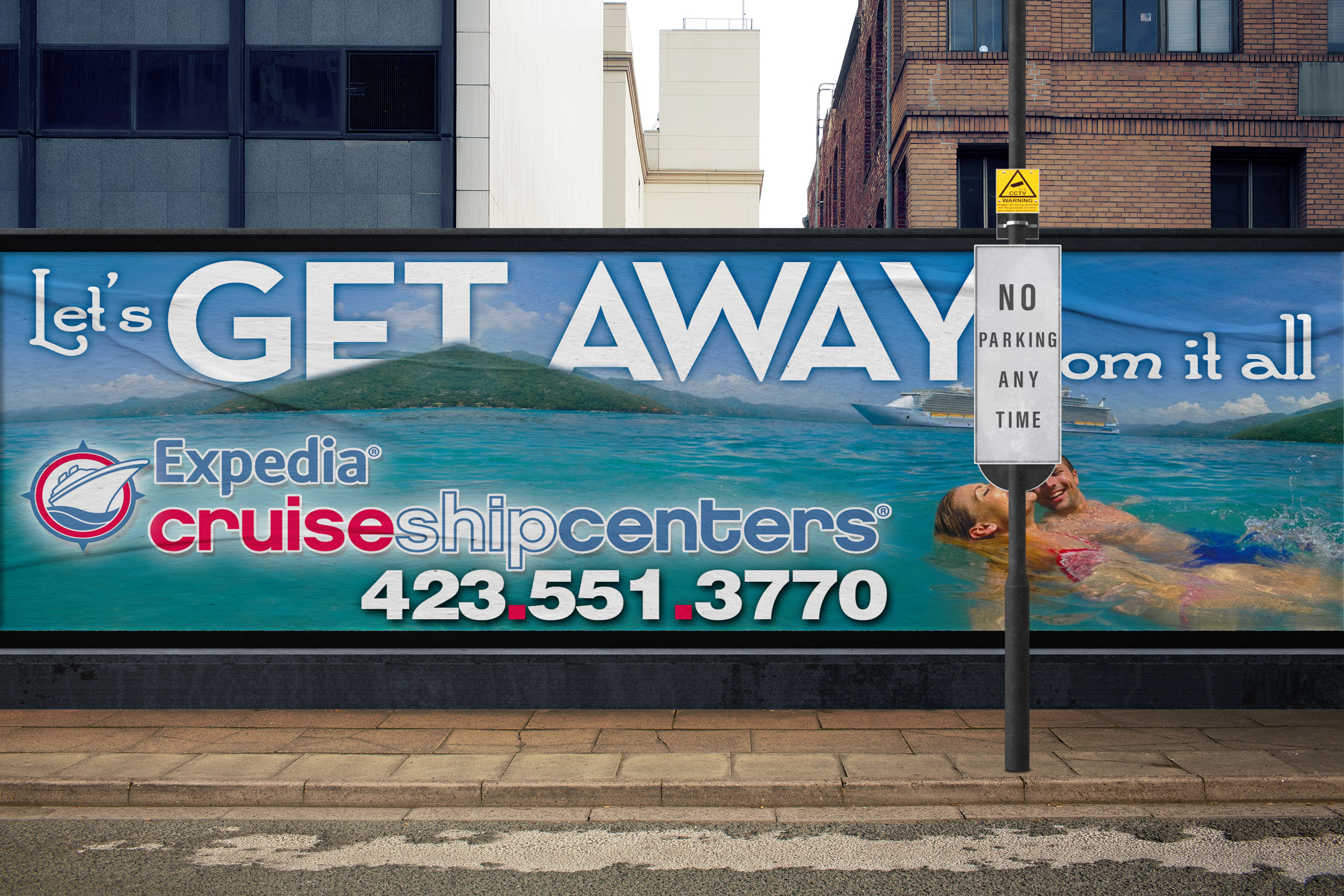
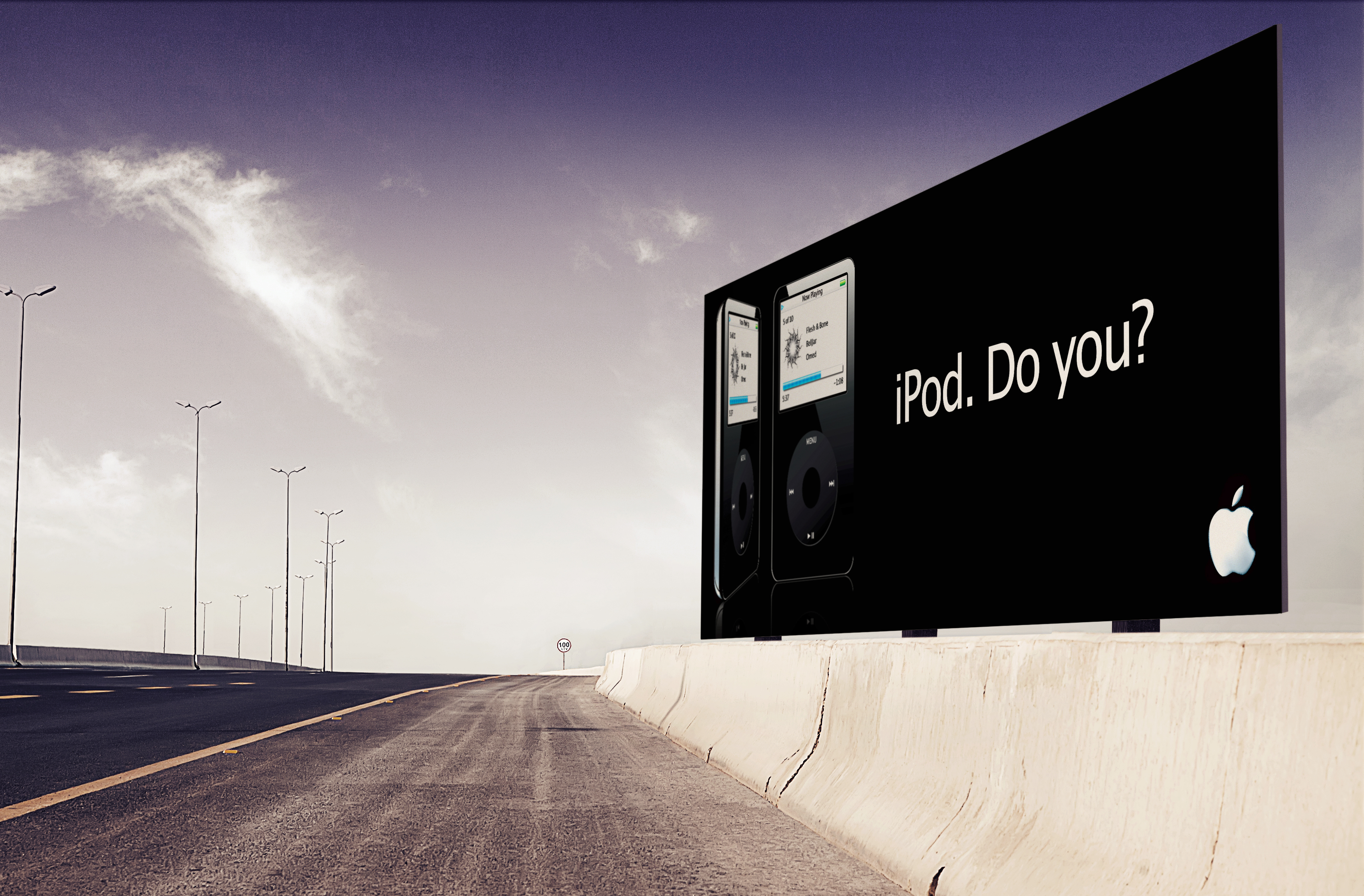
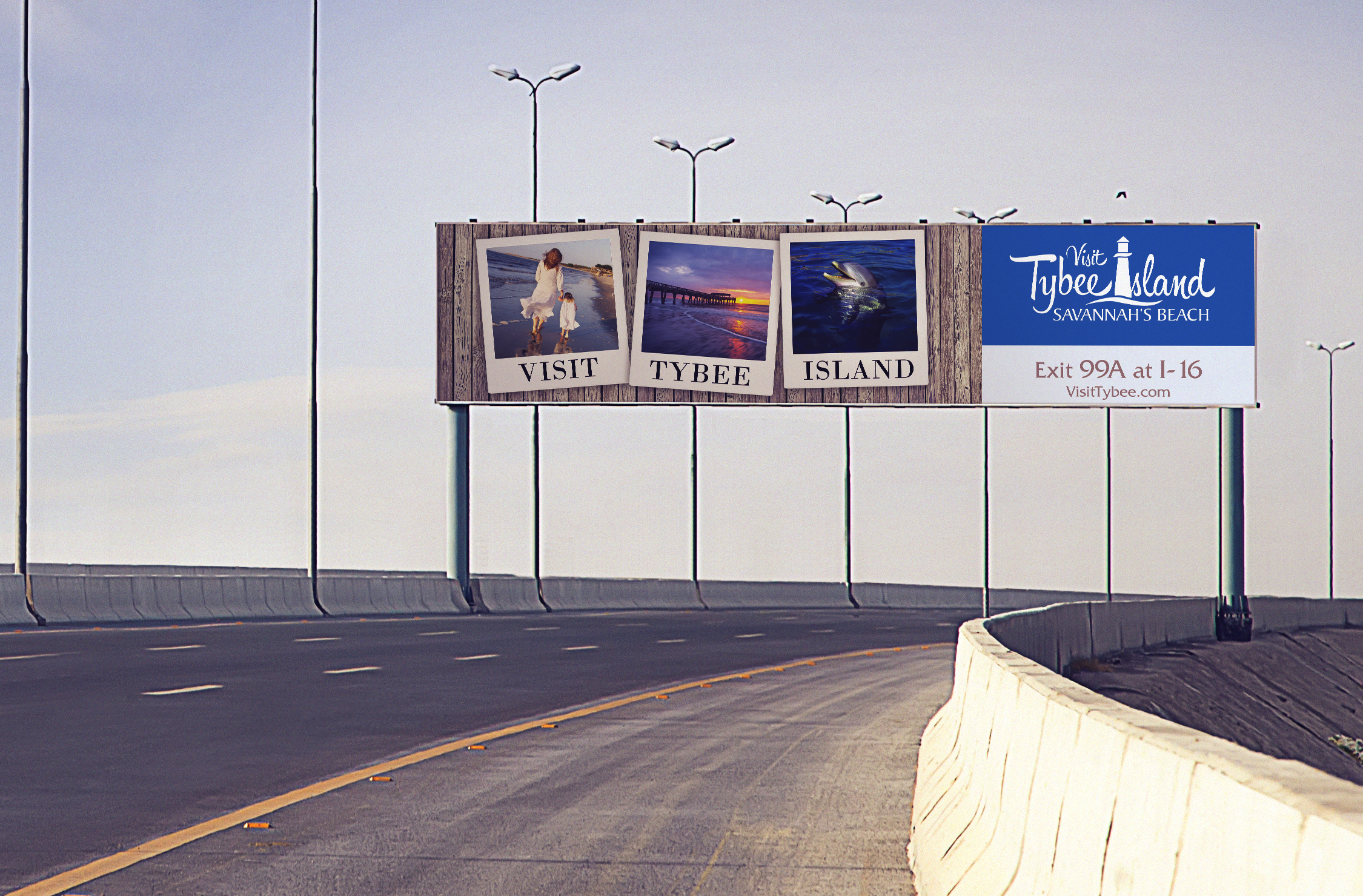
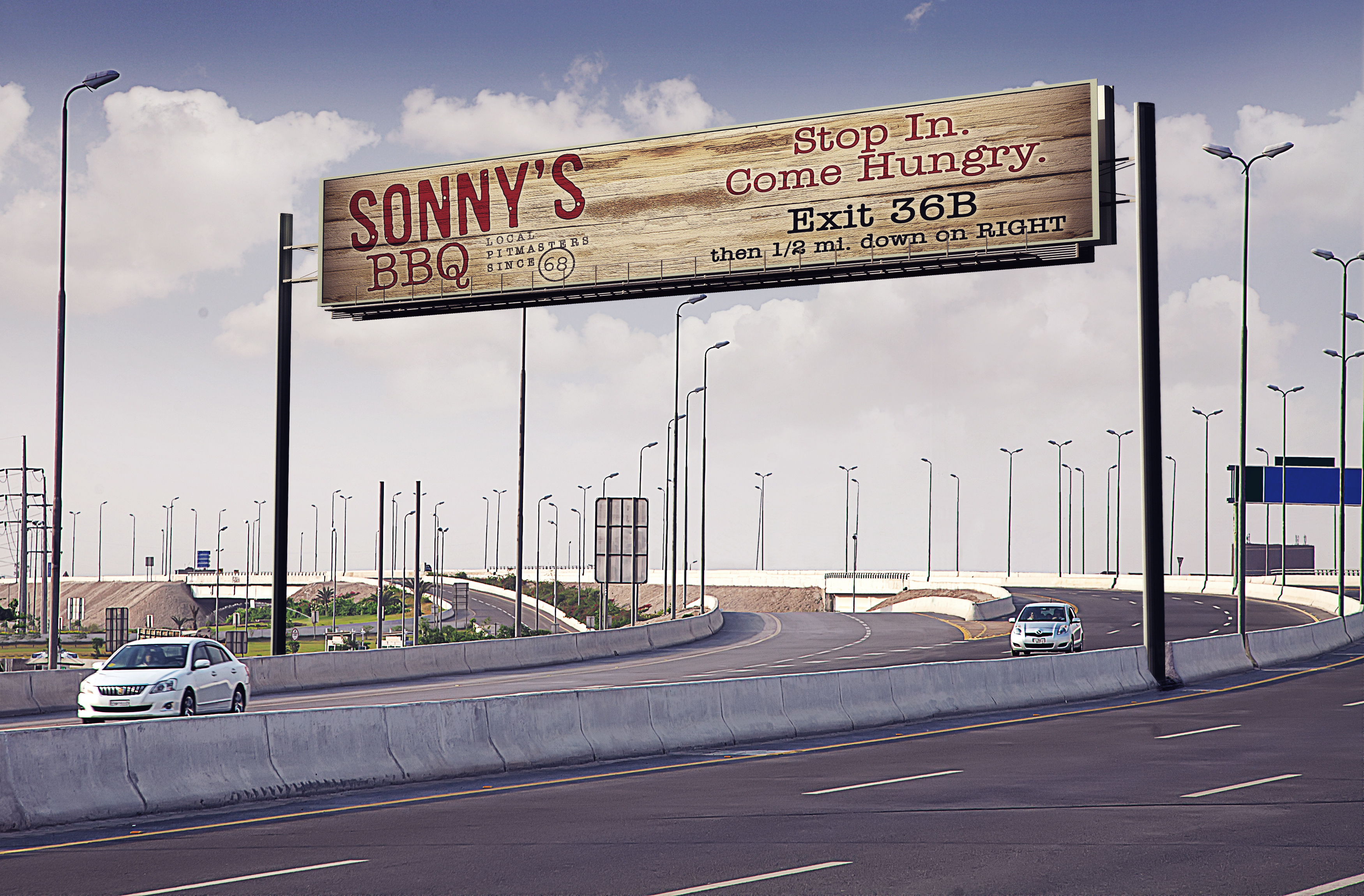
Creative Development
From concept to production-ready artwork
Outdoor advertising demands a different kind of design discipline. A viewer might have only a few seconds to understand the message, so hierarchy, typography, imagery, contrast, scale, and simplicity aren't just aesthetic choices. They're functional requirements. I developed campaigns with those constraints in mind, then carried the work through production to make sure the final piece maintained the intent of the original design. Make the message impossible to miss. Then make sure the production team can actually build it.
Approach II
Production Is Part of the Design
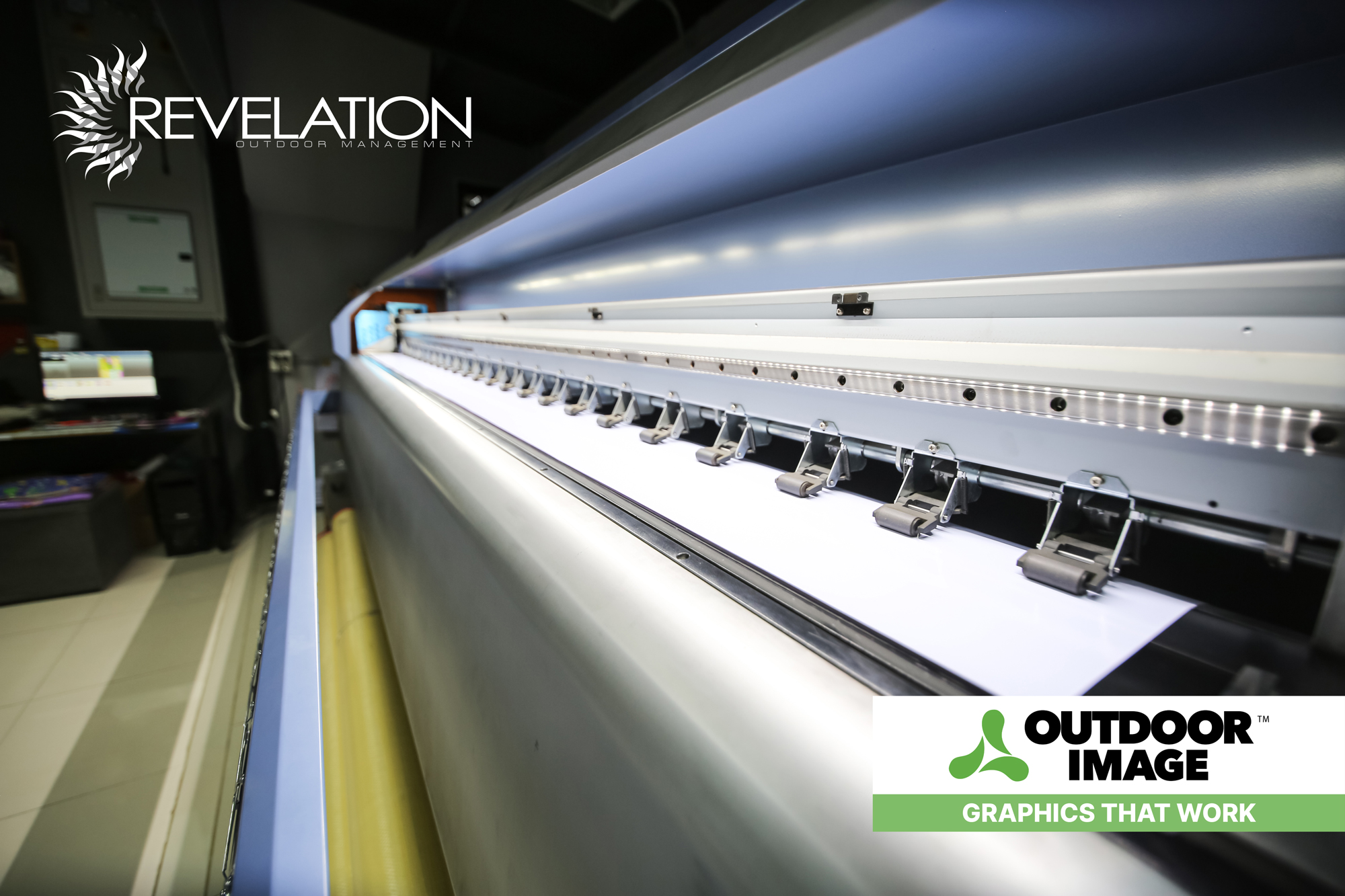
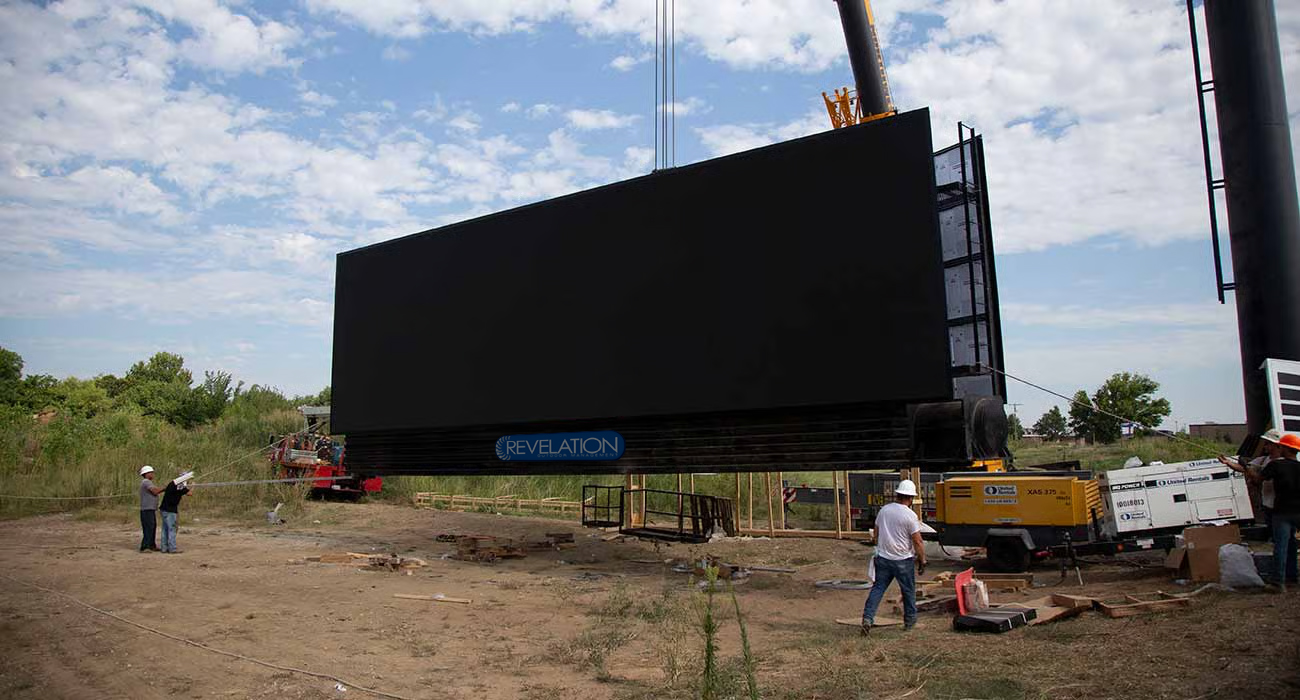
Designing for a screen and designing for a 14-foot billboard aren't the same exercise.
Every element had to be considered in terms of physical scale, viewing distance, substrate, printing, fabrication, installation, and environmental conditions. I worked directly with printers, fabricators, installers, and media operators to make sure creative specifications translated correctly into physical advertising.
Because “that's what production is for” is generally how production problems begin.
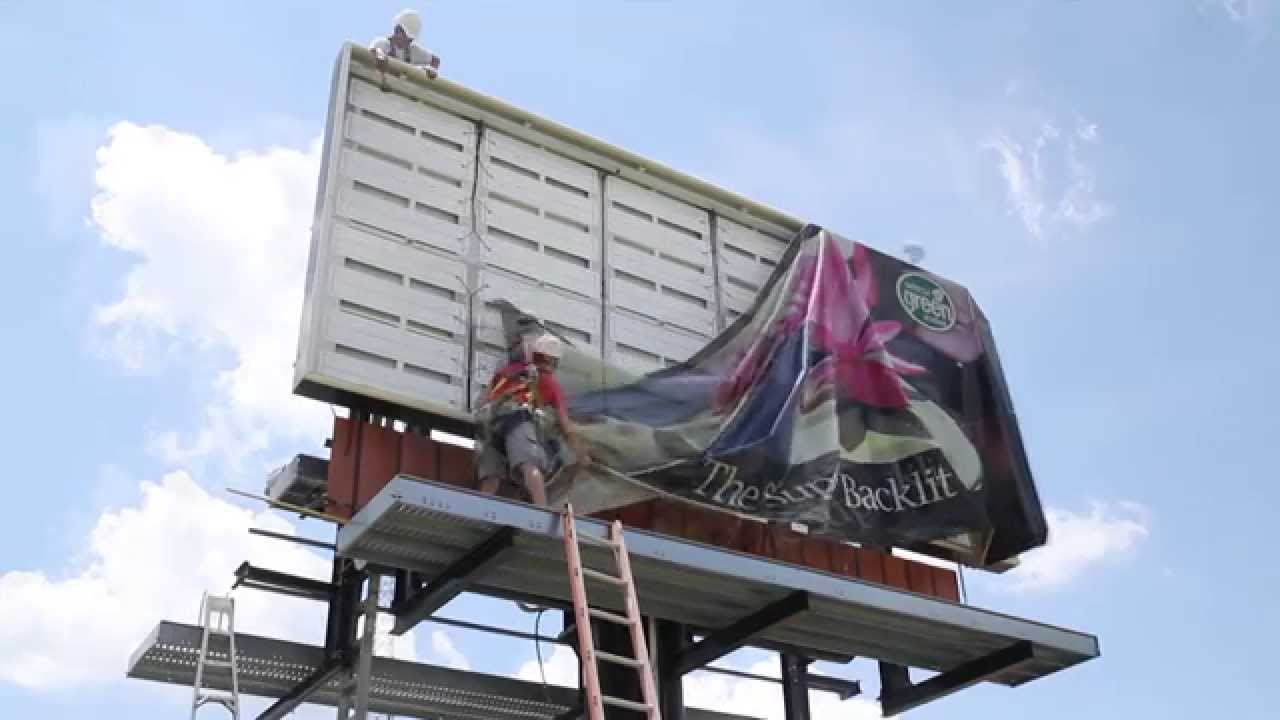
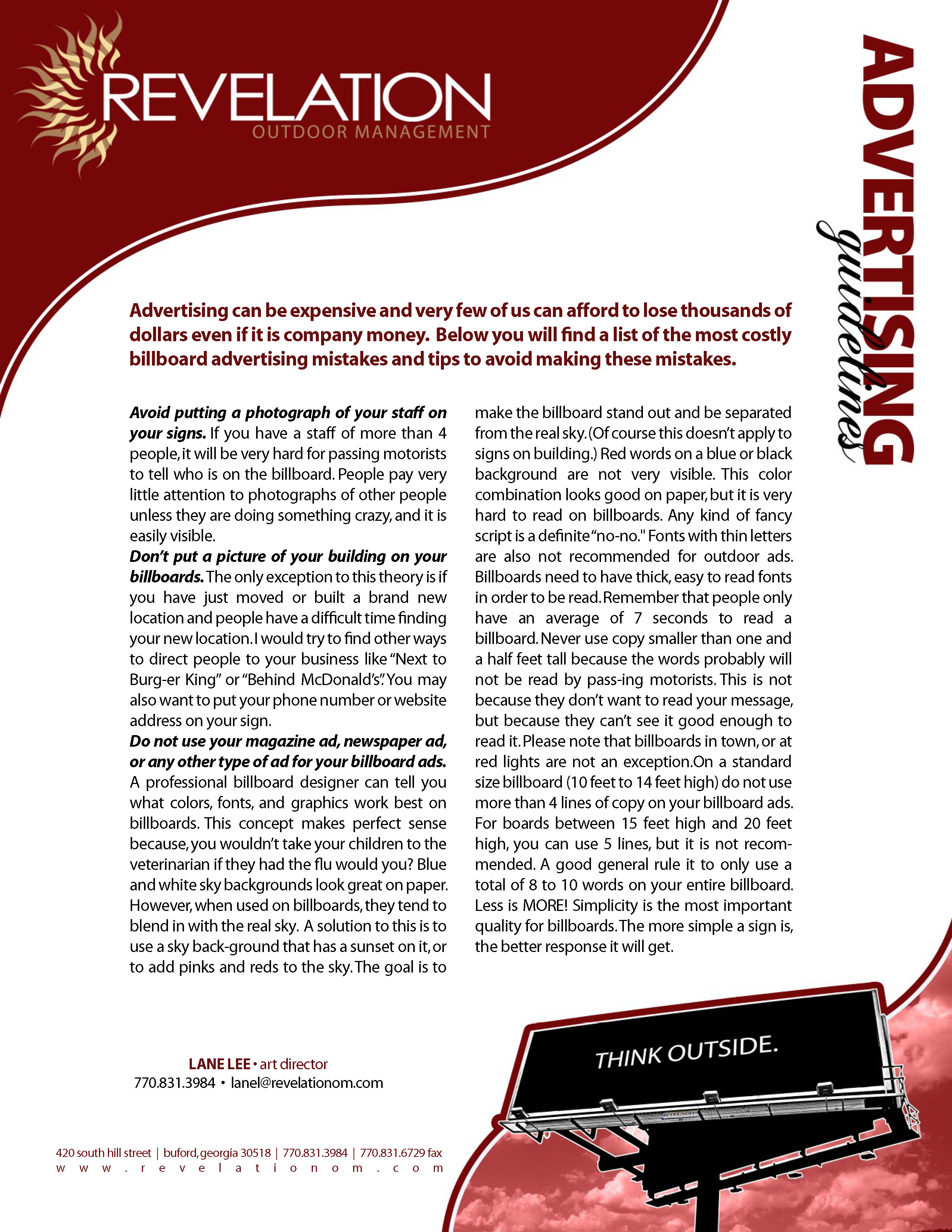
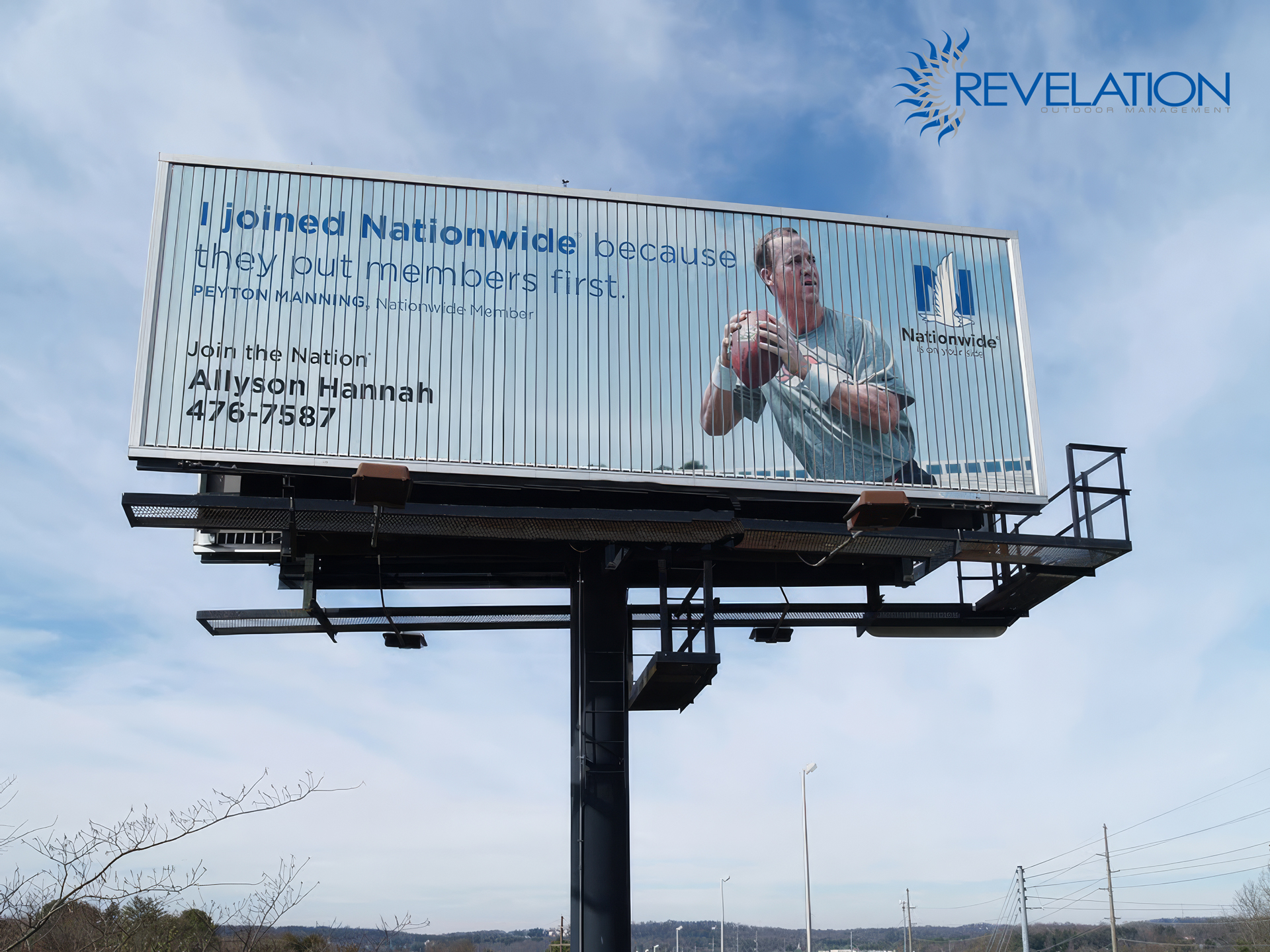
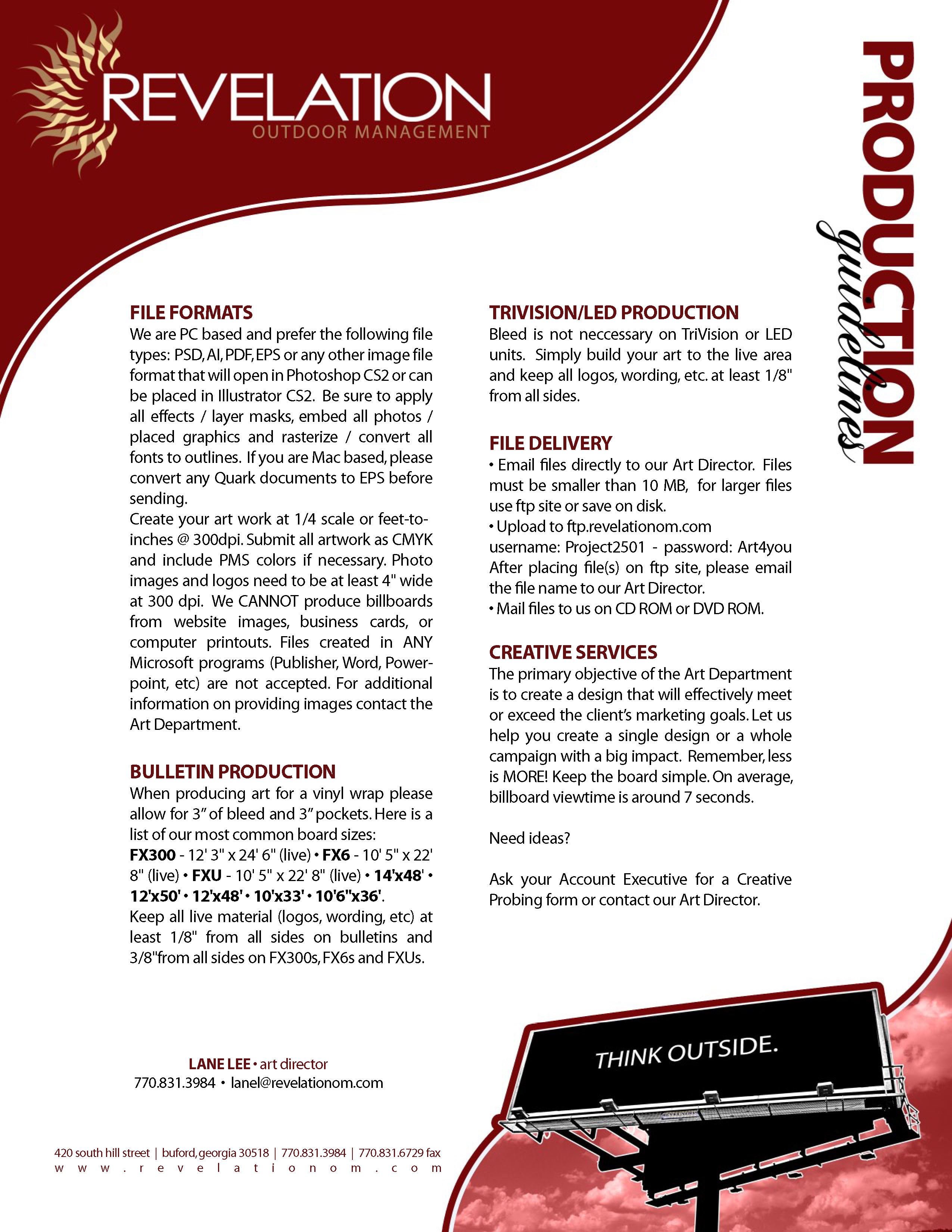

Click to View Gallery
Approach III
Keeping 1,500+ Pieces Moving
Large-format advertising becomes an operations problem surprisingly quickly.
One campaign can involve a client, creative approval, media specifications, artwork preparation, a printer or fabricator, an installer, a media operator, and multiple physical locations. Multiply that across four markets, hundreds of clients, and 1,500+ assets and there are plenty of opportunities for something to go sideways.
I managed production schedules, vendor relationships, installation coordination, quality control, and deployment requirements while improving workflows that ultimately reduced production turnaround time by 50%.
Closer To The Ground
The stuff nobody sees
The finished billboard is the easy part to photograph. What's harder to see is everything that had to happen before it got there.
Vendor coordination. Production specifications. Prepress. Scheduling. Fabrication. Installation. Quality control. Budget management. Last-minute changes. More last-minute changes.
And then there's the occasional project that doesn't fit neatly into the usual process...
We decided to work with the Department of Transportation.
Georgia DOT 511 Sponsorship Program
Designing Within The Lines. Literally.
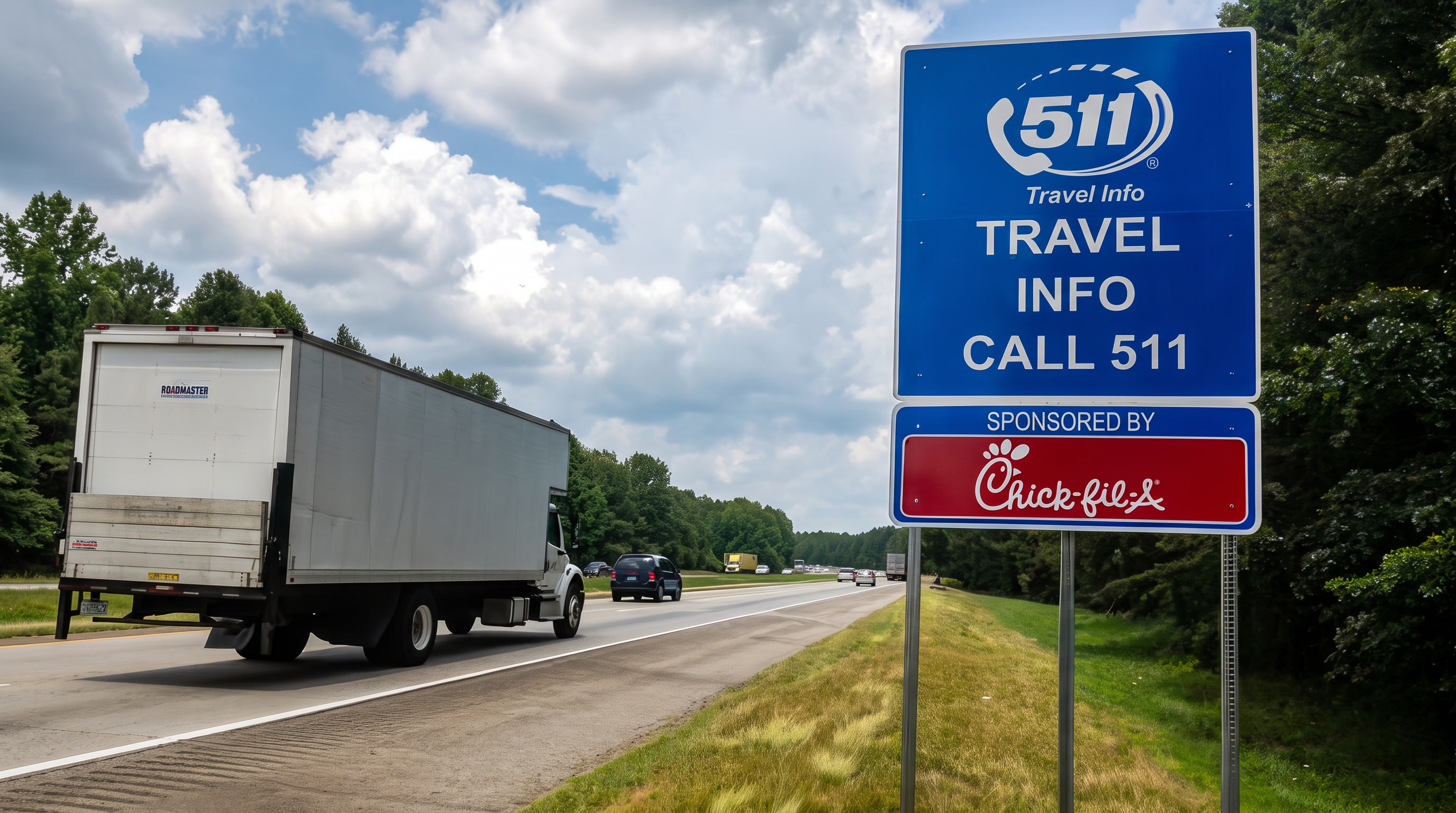
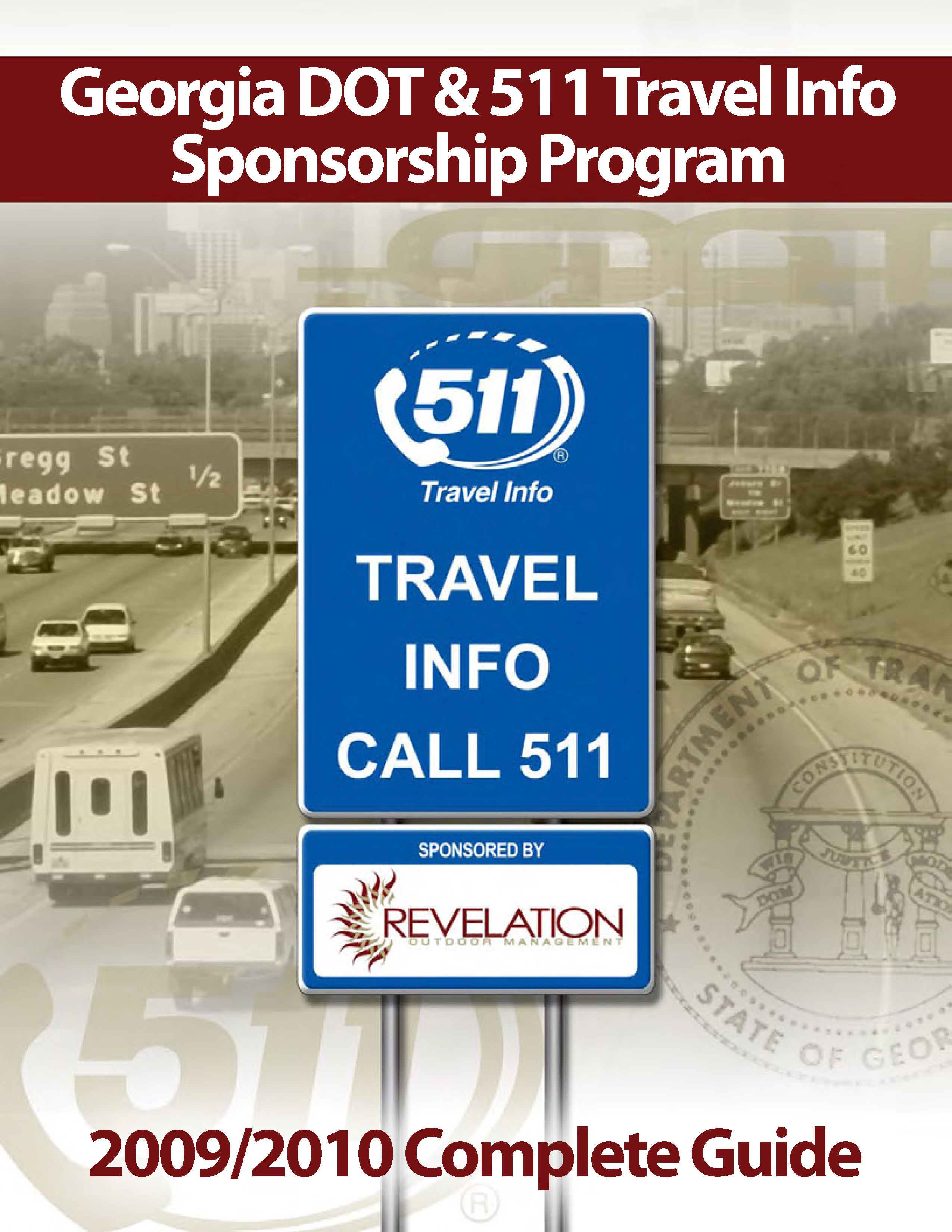
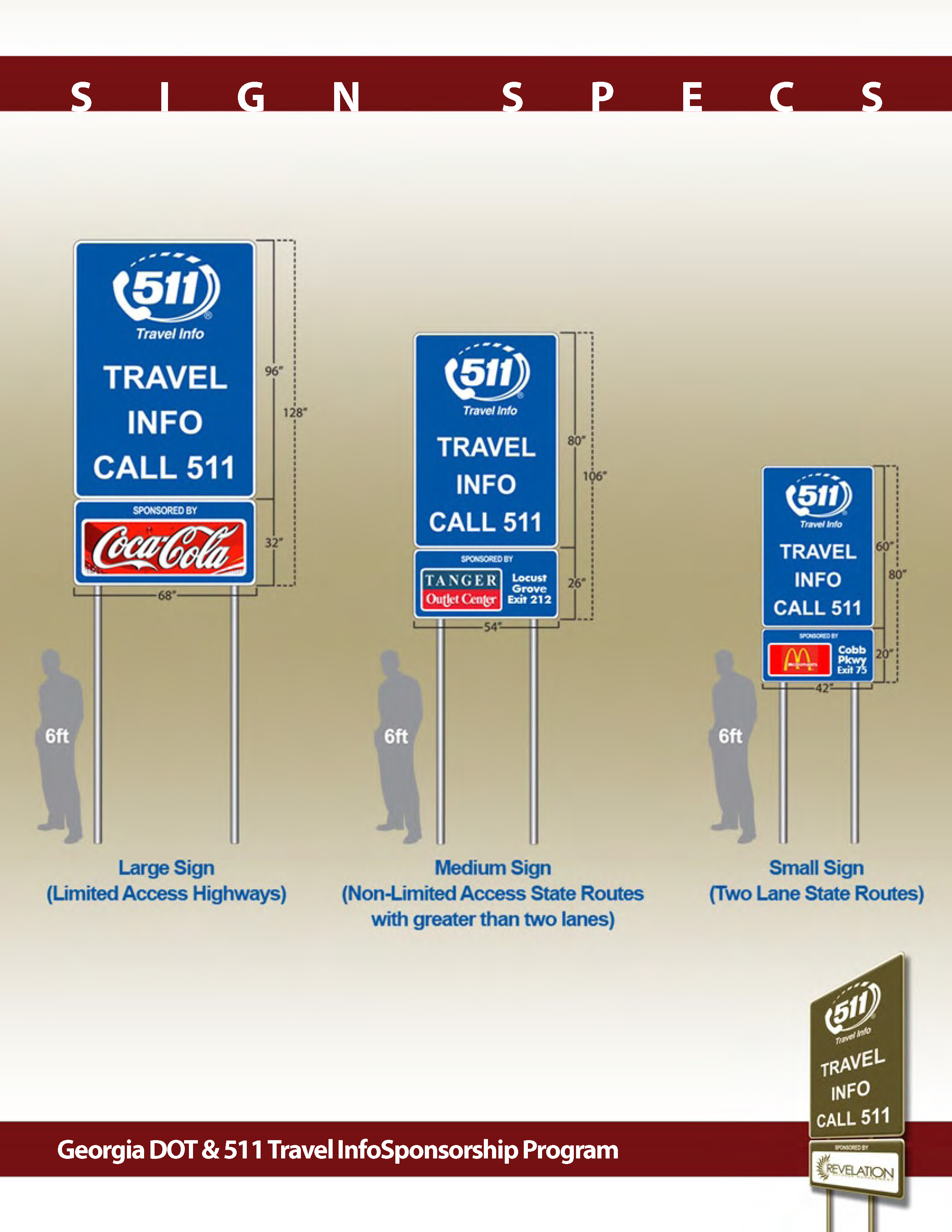
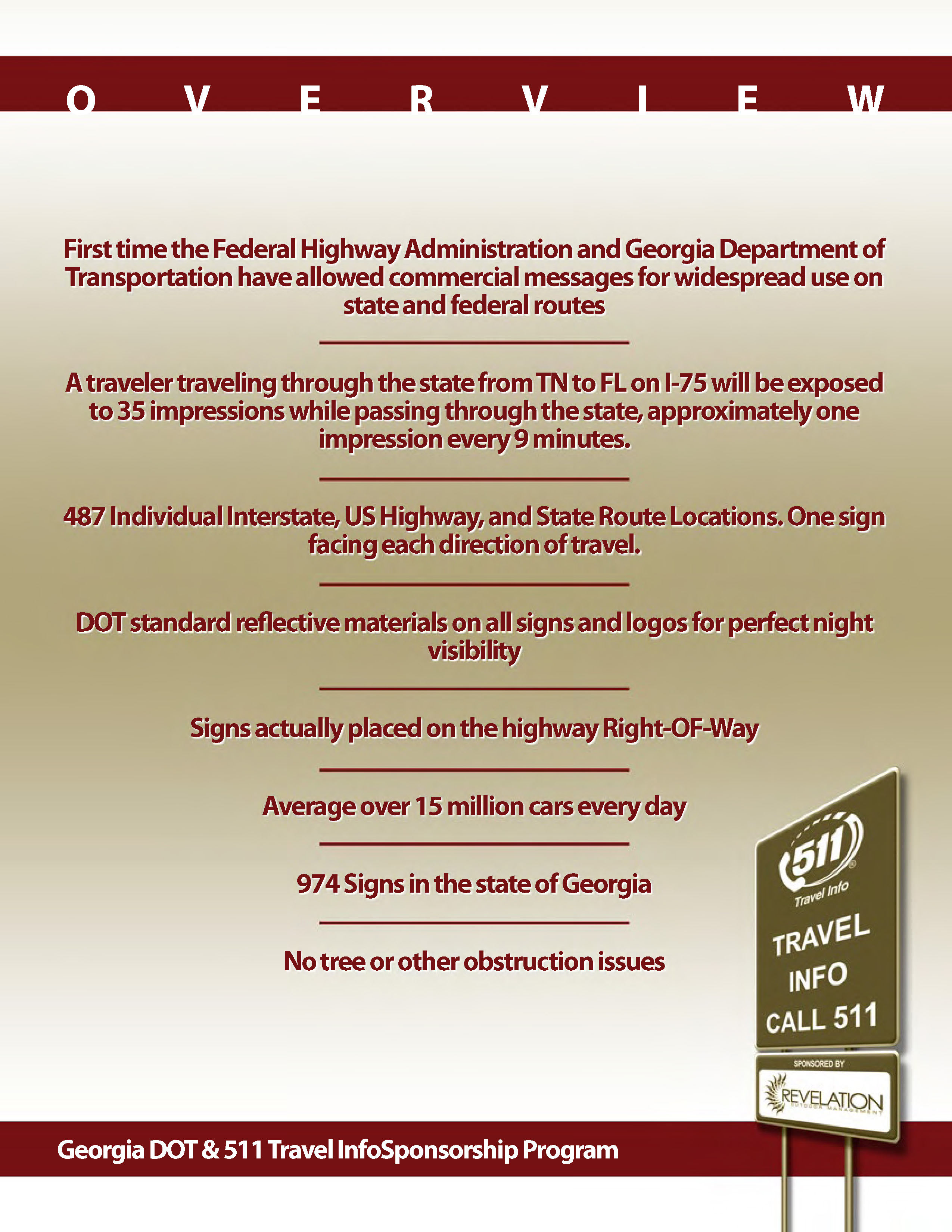
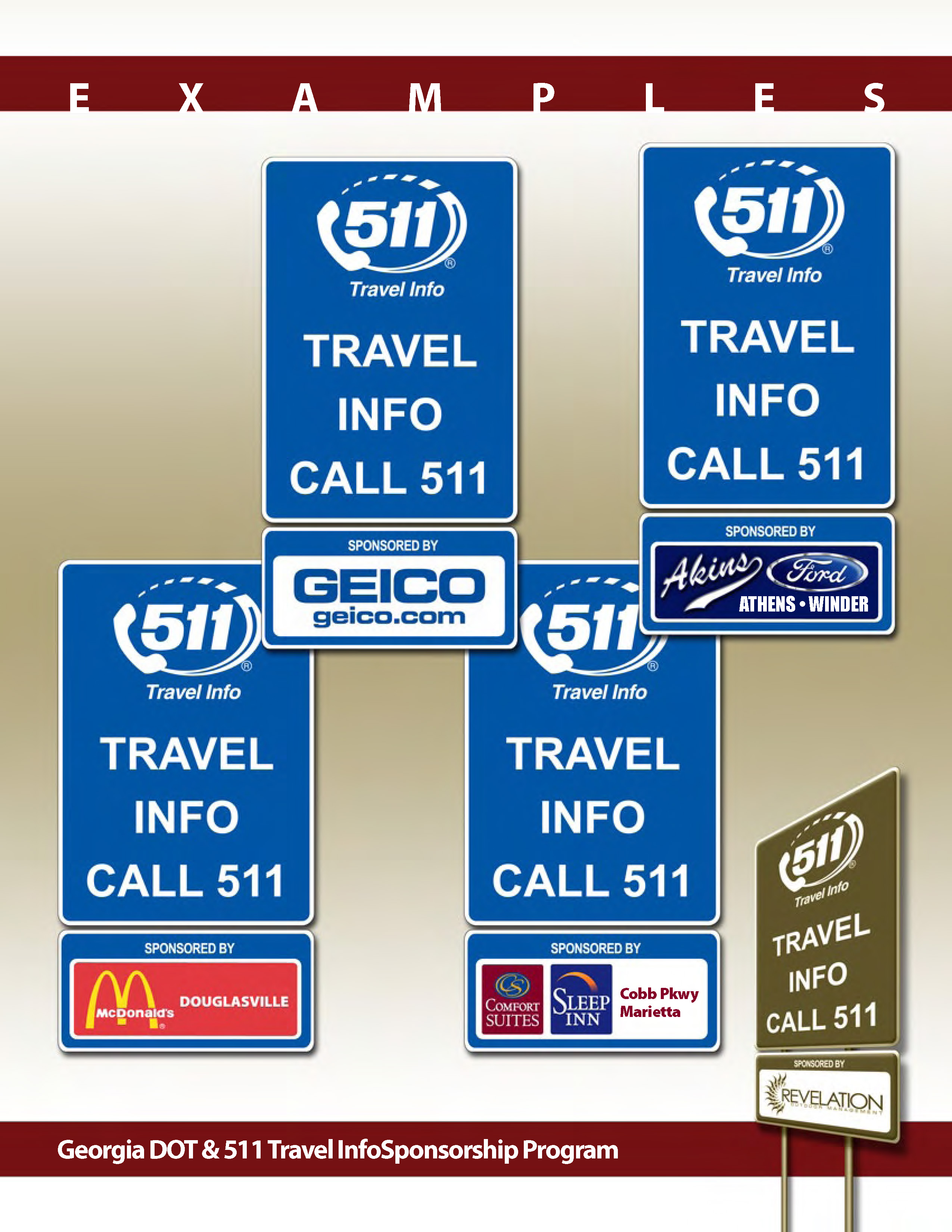
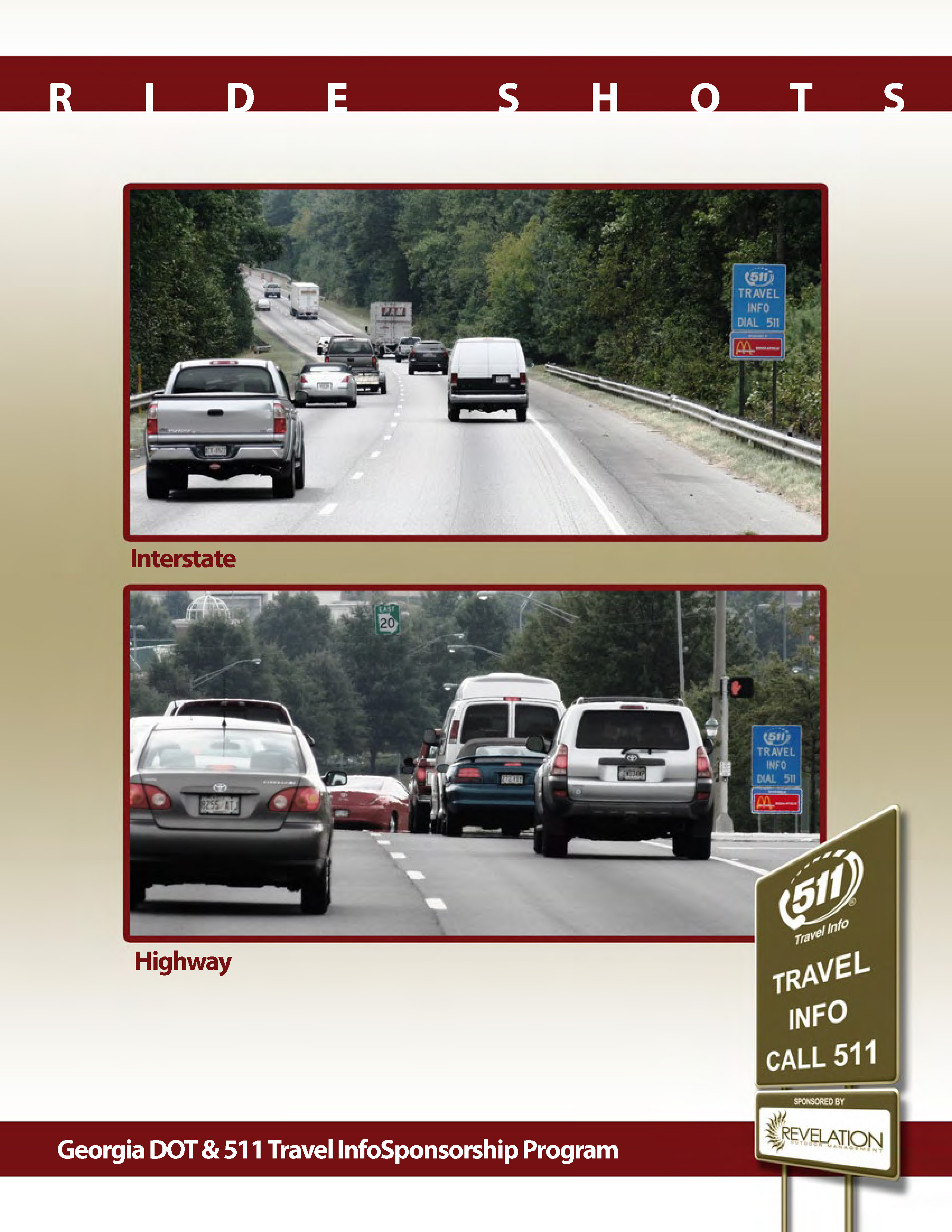
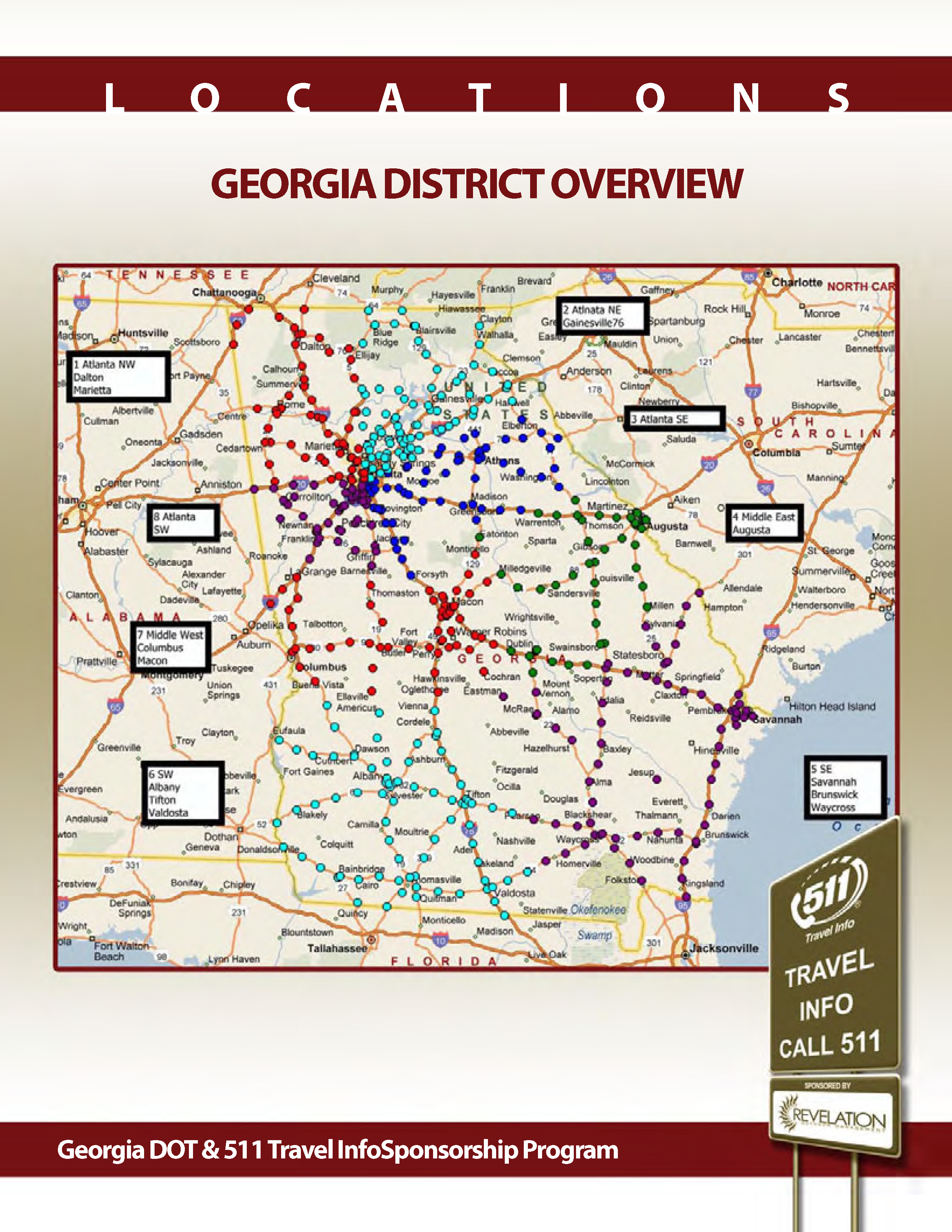
Georgia 511 is the state's free, 24/7 travel and traffic information system, providing drivers with real-time information about accidents, road work, congestion, and weather-related delays across Georgia's highways and interstates. The sponsorship program gave businesses an opportunity to help keep the system cost-neutral by sponsoring individual 511 signs and incorporating their logo and/or city information into the sign design. The program ultimately involved 500+ signs statewide. My role was to turn that concept into something that could actually be fabricated and deployed. I worked directly with the Georgia Department of Transportation to develop customized sign templates and decal-placement specifications that adhered to strict requirements for typography, color, sizing, margins, placement, and visual consistency. The challenge was balancing standardized government requirements with individual sponsor needs while maintaining a system that looked intentional and professional across hundreds of physical locations. There wasn't much room for “creative interpretation.” It was a very different kind of creative problem.
Click to View Gallery
